YMDK 75 Keys QMK Anodized Aluminum Hot-Swappable Type-C Mechanical Keyboard Kit Ortholinear Layout Review (2026)
Updated September 14, 2026 · Research-based review
Our verdict
This YMDK 75 key ortholinear kit suits enthusiasts who want an aluminum, hot swap, QMK powered board built around a grid layout instead of standard staggered rows. It arrives as a barebones kit, so buyers still need to source switches and keycaps, and the ortholinear layout requires a real adjustment period.
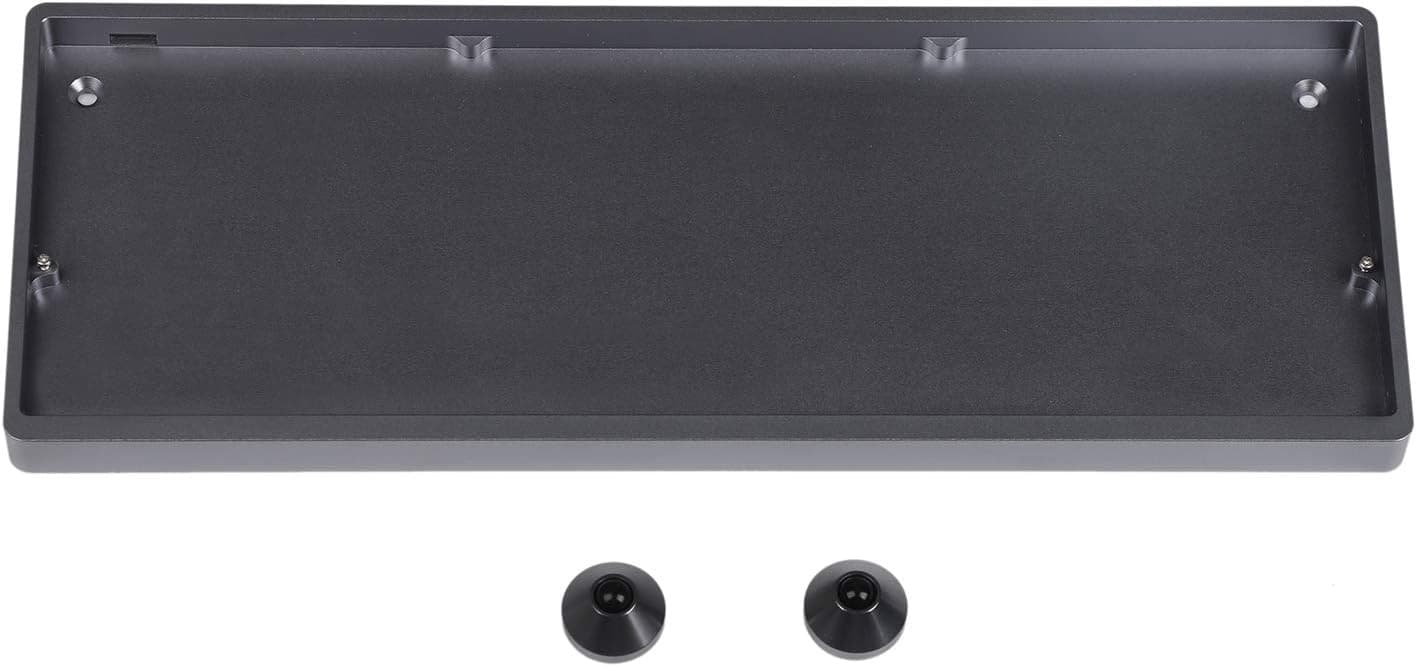
This YMDK 75-key ortholinear kit adds QMK firmware to the anodized aluminum, hot-swap, Type-C design for full remapping.
Price range: See on Amazon
What we liked
- + QMK firmware allows custom layers and macros tailored to a grid layout
- + Aluminum case with hot-swap sockets keeps the build solid and solder-free
- + Type-C connection is modern and uses common cables
Trade-offs
- - You still need to supply switches and keycaps before it is usable
- - QMK configuration has a learning curve for people new to custom firmware
Who should build with this kit
This kit is aimed at hobbyists who already understand keyboard building basics and specifically want to try an ortholinear, grid style layout where keys line up in straight columns rather than the staggered rows found on a standard keyboard. The 75 key count with QMK support gives enough keys for full typing along with function row access, appealing to programmers who want extensive key remapping and custom layers. Because it ships as a bare kit with a CNC aluminum case, plate, and hot swap PCB but no switches or keycaps, it suits people who already own spare switches or want to hand pick a specific set rather than accept whatever comes bundled with a pre-built board. First time keyboard builders may find a pre-assembled board an easier starting point.
What is actually included in the kit
The package contains a CNC machined anodized aluminum case, aluminum feet, mounting screws, a hot swappable PCB, and a plate, according to the listing. The hot swap sockets are Kailh branded and accept most MX style switches, including Cherry, Gateron and Kailh branded switches, giving builders wide compatibility when choosing switches separately. The PCB itself is described as all white and supports RGB LEDs for underglow lighting if a builder wants to add that effect. Connectivity runs through a Type-C connector, a modern standard that uses widely available cables rather than a less common Micro-USB port found on some older keyboard kits.
Building and configuring the keyboard
Since this is a hot swap kit, assembly mainly involves mounting the plate and PCB into the aluminum case, then pressing switches directly into the sockets without any soldering required, which lowers the barrier compared with solder-only kits. Once switches are installed, QMK firmware handles the software side, letting builders remap every key, create custom layers, and adjust lighting behavior through open source configuration tools rather than a proprietary app. Because QMK has a real learning curve for people new to custom firmware, first time builders should expect to spend time reading documentation or community guides to get comfortable flashing and editing a keymap. The ortholinear layout itself also takes an adjustment period, since muscle memory built on a staggered keyboard does not transfer directly to a grid layout.
Trade-offs and comparison with other ortholinear kits
The biggest limitation is that switches and keycaps are not included, adding to the total cost and complexity of finishing the build compared with a ready-to-type board. Against the Keychron Q15 Max, which our data ranks considerably higher, this YMDK kit is more affordable but lacks wireless connectivity and the gasket mount typing feel that pricier ortholinear boards offer. The EPOMAKER Hack70 and Drop Planck V6 sit close to this kit in score and both bring their own ortholinear takes, with the Hack70 adding wireless support that this YMDK kit does not have. Builders drawn specifically to the 75 key size with QMK support will still find this kit distinct from smaller 40 percent ortholinear boards like the Planck, since it offers noticeably more keys for full typing without a function layer for every character.
Verdict and who might prefer a different kit
For hobbyists who want to build a 75 key ortholinear keyboard from the ground up with full QMK remapping and a solid aluminum case, this kit is a strong foundation that matches our score of 8.4 out of 10 for its combination of build quality and features. It rewards builders who enjoy the process of choosing their own switches and keycaps rather than wanting everything bundled. Anyone who wants wireless connectivity, a gasket mount feel, or a fully assembled ortholinear board ready to type on immediately should look at the Keychron Q15 Max or EPOMAKER Hack70 instead, since both include features this barebones kit leaves for the builder to add.
Frequently asked questions
Does this kit include switches and keycaps?
No, it ships as a barebones kit with the case, plate, and hot swap PCB, so switches and keycaps need to be purchased separately.
Is this keyboard hot swappable?
Yes, it uses Kailh hot swap sockets that accept most MX style switches, including Cherry, Gateron and Kailh branded switches, without soldering.
What firmware does this keyboard use?
It runs QMK firmware, which supports full key remapping, custom layers and lighting configuration through open source tools.
Does the case support RGB lighting?
The PCB supports RGB LEDs for underglow if a builder chooses to populate them, according to the product listing.
Prices change often, so check the current price and availability on Amazon.
Check price on AmazonMechKeeb Lab may earn a commission from the link above.