Small-Space Living Tips
Practical keyboard advice: choosing switches and keycaps, layouts and sizes, lubing and modding, sound tuning, and the gear that makes a board feel and sound better. the US. No fluff, just what works.
Mechanical Keyboard Switch Chart
Actuation force in grams and travel distance for common Cherry MX switches, plus what linear, tactile, and clicky actually mean for typing feel.
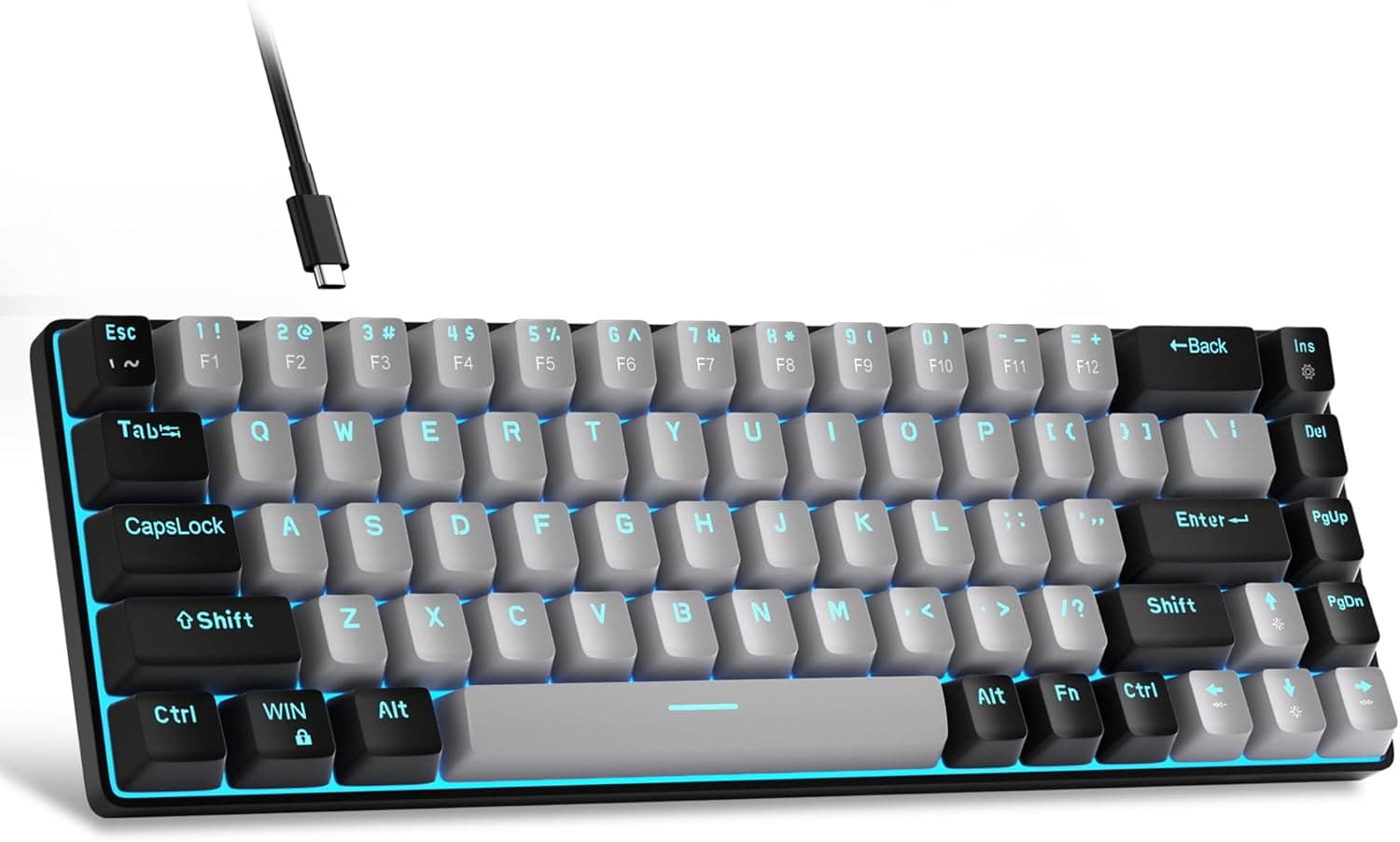
How to Find a Good Mechanical Keyboard Deal During Holiday Sales
Holiday sales bring discounts on keyboards, switches and keycaps. How to plan, compare prices, check specifications and avoid deals that are not worth it.
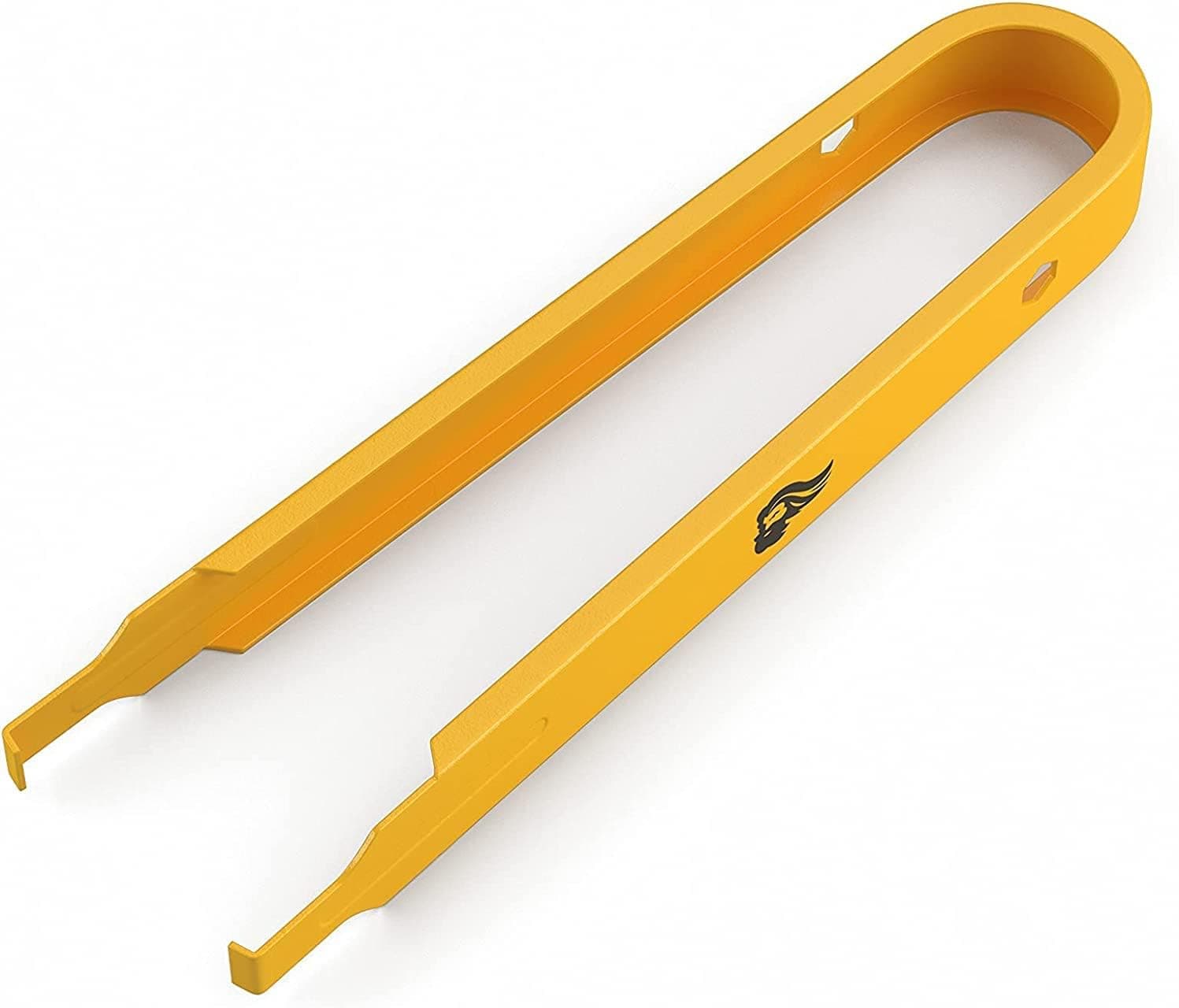
How to Fix Keys That Stop Working After a Hot-Swap
Swapped switches and now some keys are dead? Bent pins, loose sockets, incompatible switches and plate issues are common causes with simple fixes.
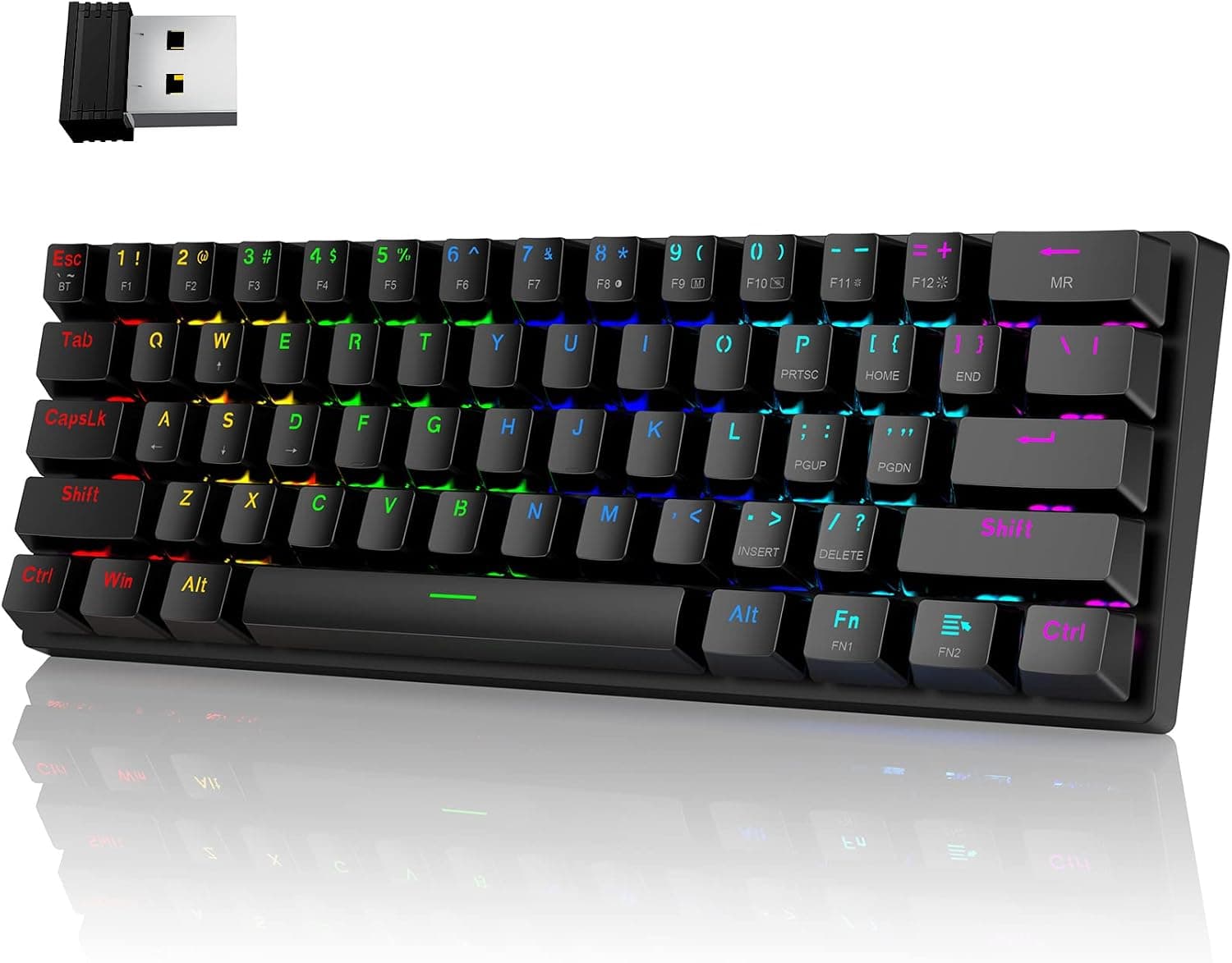
How to Fix Lag and Disconnects on a Wireless Mechanical Keyboard
Missed keystrokes, input delay and random disconnects on 2.4GHz or Bluetooth keyboards. Check interference, receiver placement, battery, firmware and settings.
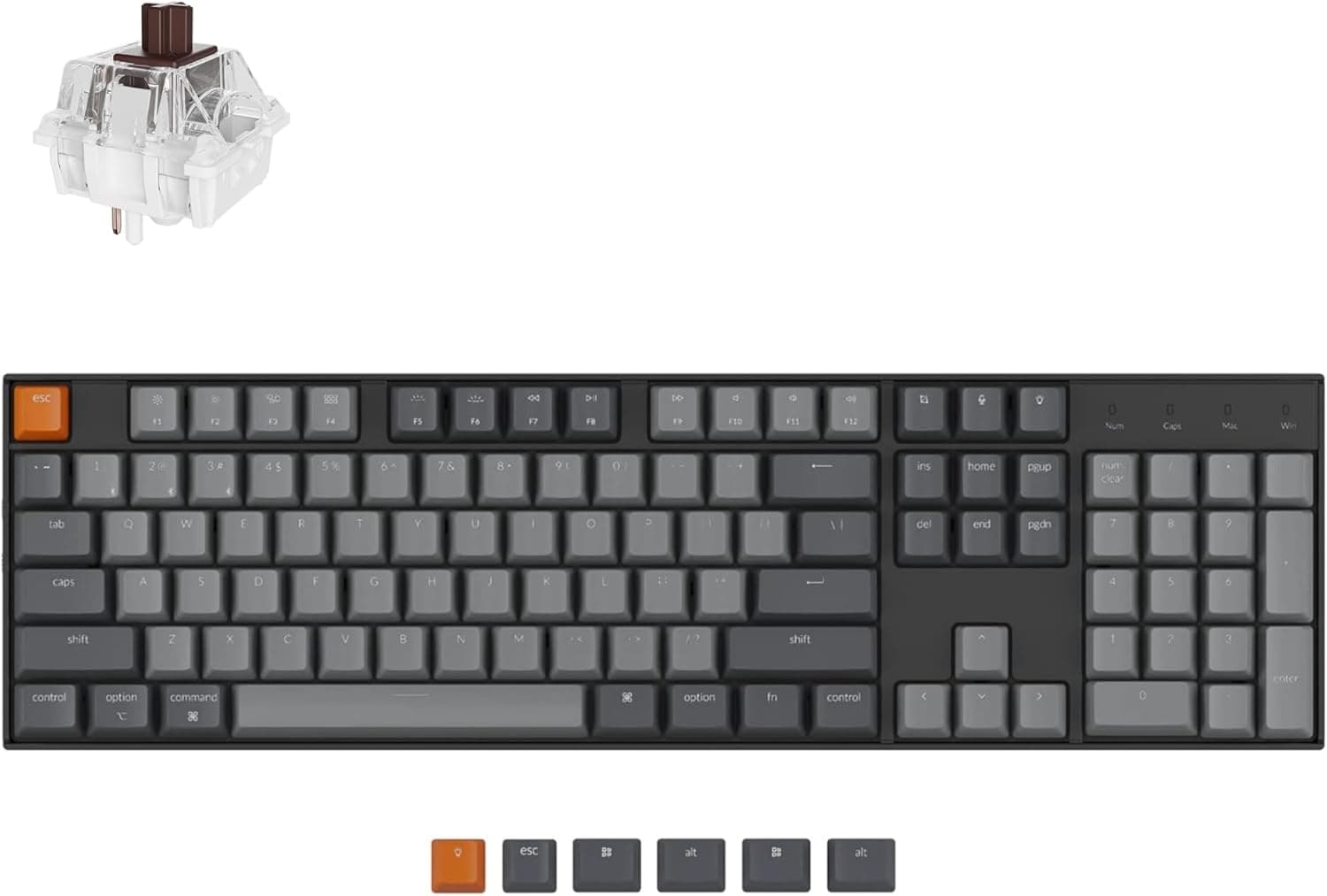
How to Fix Key Chatter and Double Typing on a Mechanical Keyboard
One press producing two letters, or keys registering randomly, is called chatter. Causes range from dust and worn switches to debounce settings and hot-swap sockets.
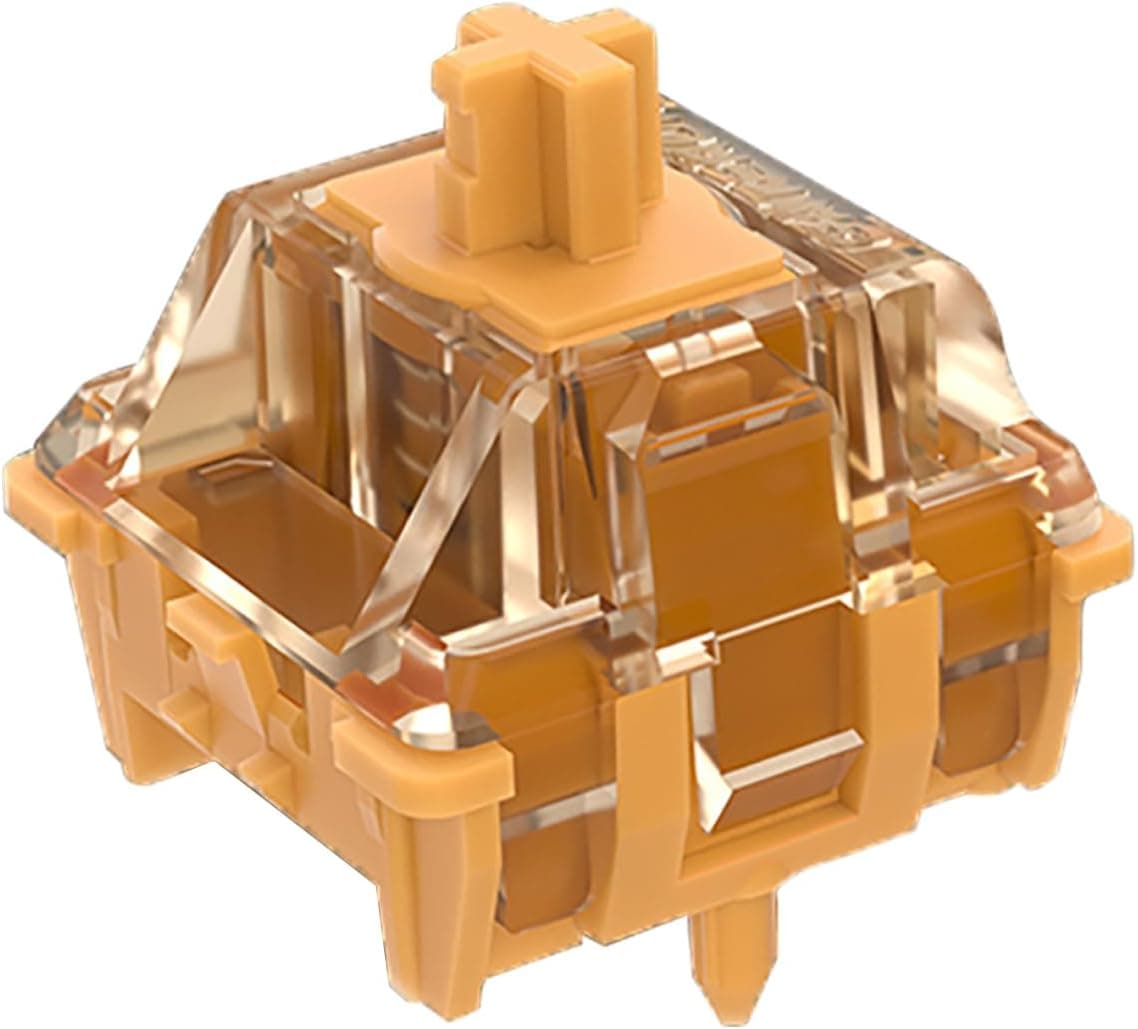
Hall Effect and Optical Switches
Hall effect and optical switches register presses without metal contacts. Learn how each technology works and what it enables over standard switches.
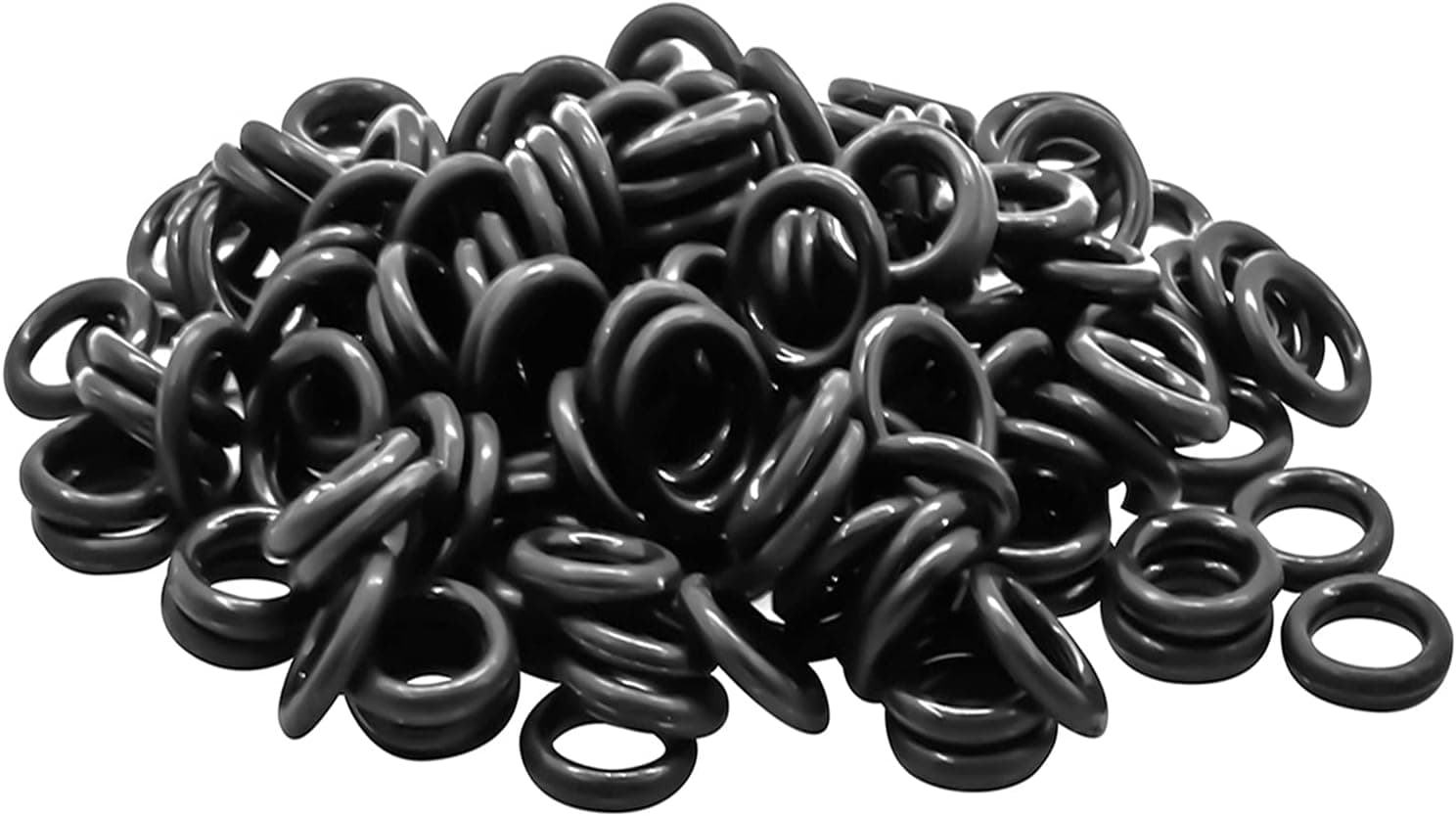
The O-Ring Mod Explained
The o-ring mod slips small rings onto keycap stems to soften bottom out and cut noise. Learn how it works, its trade offs, and whether it suits your board.
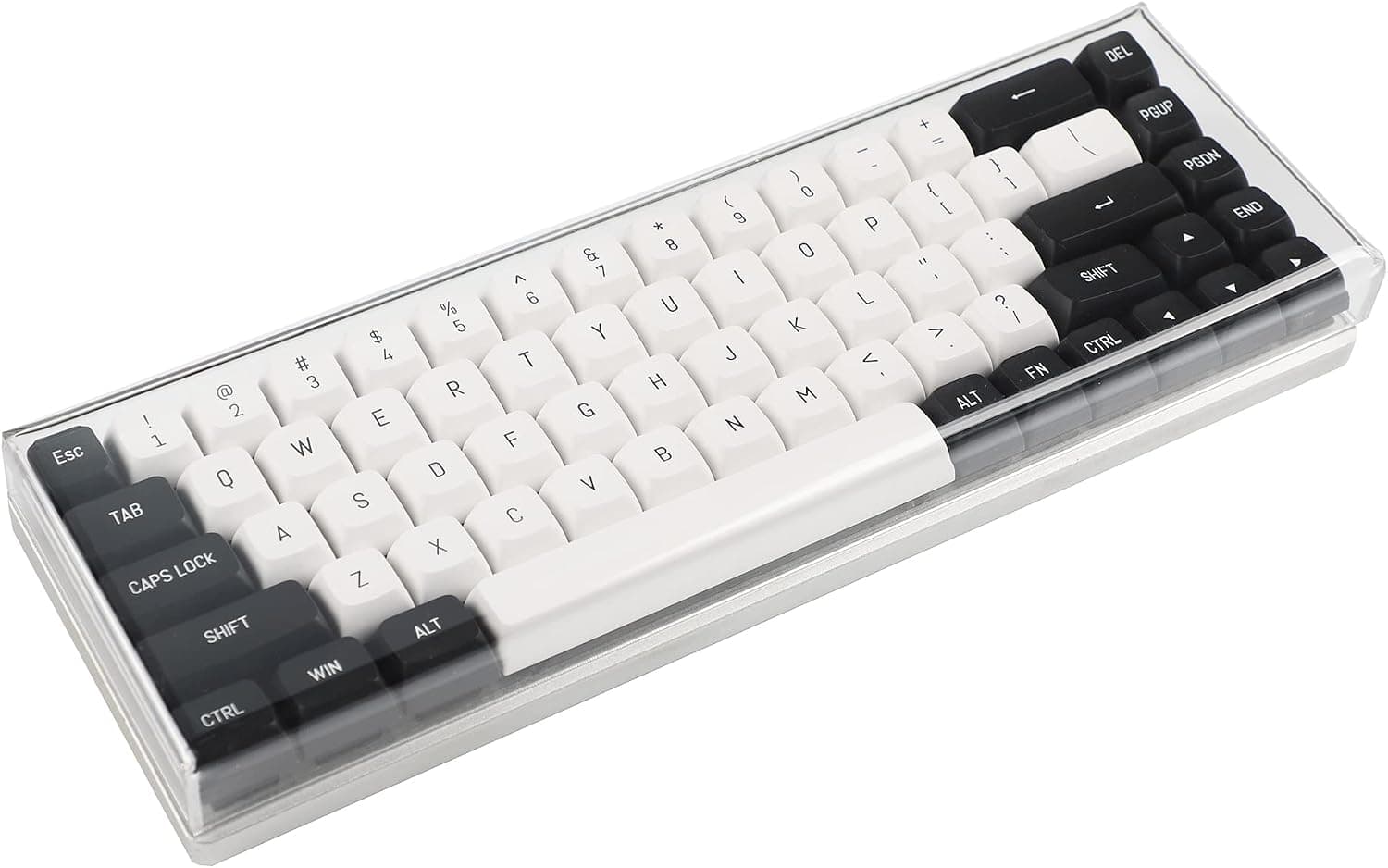
What Are QMK and VIA? Keyboard Firmware Explained
QMK and VIA let you remap keys and build custom layers on supported keyboards. Learn what this firmware does and why programmability is a major feature.
Understanding Switch Actuation Force and Travel Distance
Actuation force and travel distance describe how a switch presses and registers. Learn what these specs mean and how they translate into real typing feel.
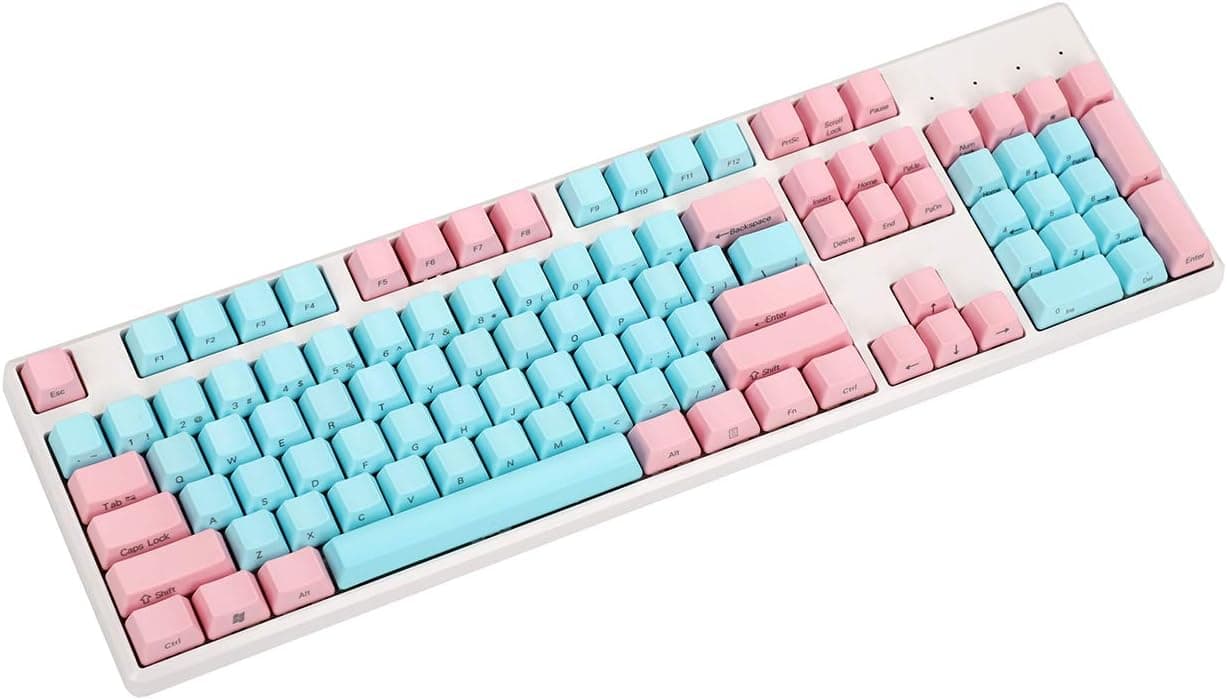
Choosing Keycaps That Fit
Not every keycap set fits every keyboard. Learn how layout, stem type, and kit coverage decide compatibility so you never order keycaps that leave gaps.
North vs South Facing Switches
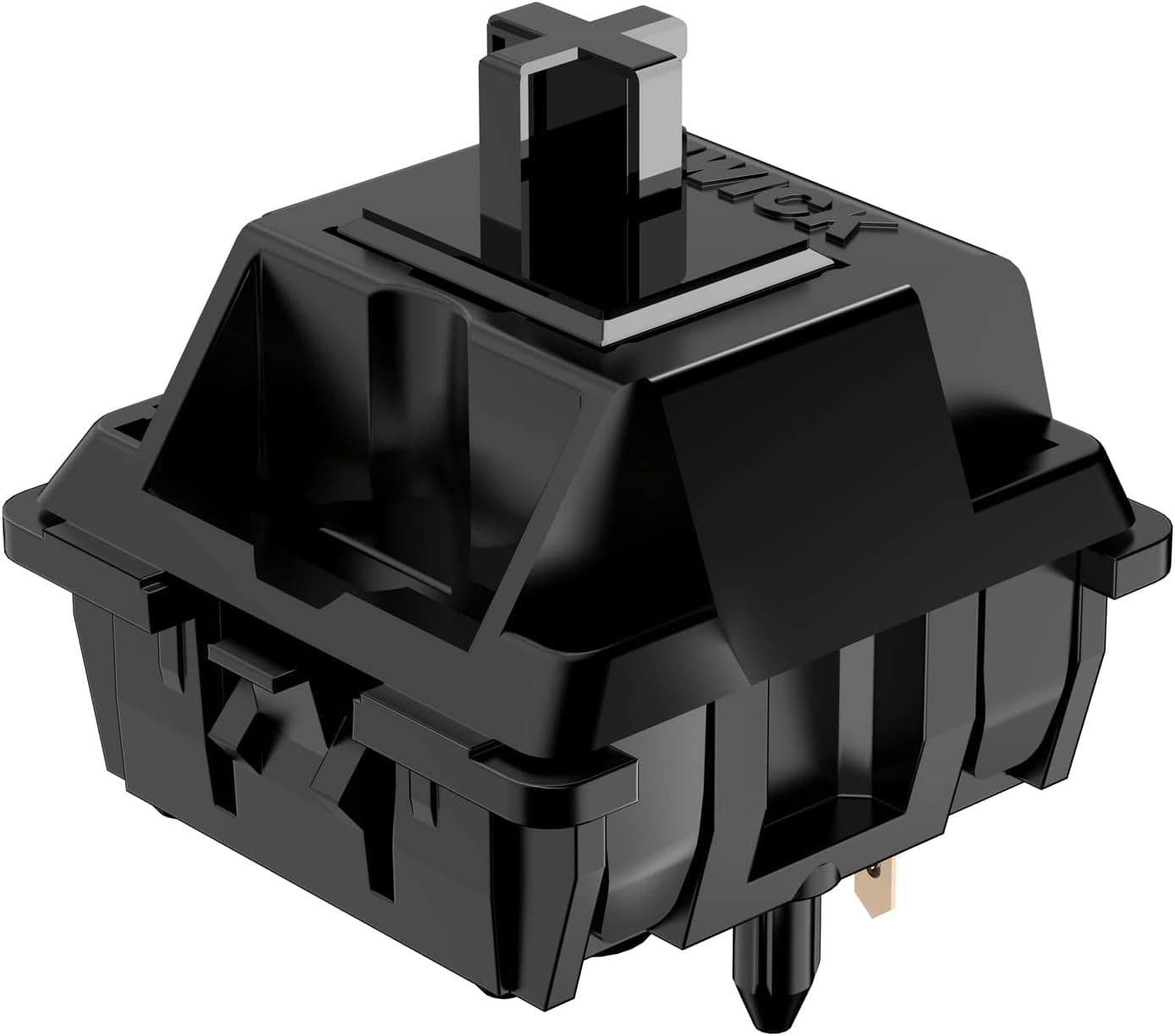
Switch orientation affects keycap compatibility and sound. Learn the difference between north and south facing switches and when it actually matters.
Budget Endgame Builds
You do not need to spend big for a board you love. Learn how to plan a budget endgame build by spending where it counts and skipping what you will not notice.
Deskmat and Wrist Rest Ergonomics for Keyboard Comfort
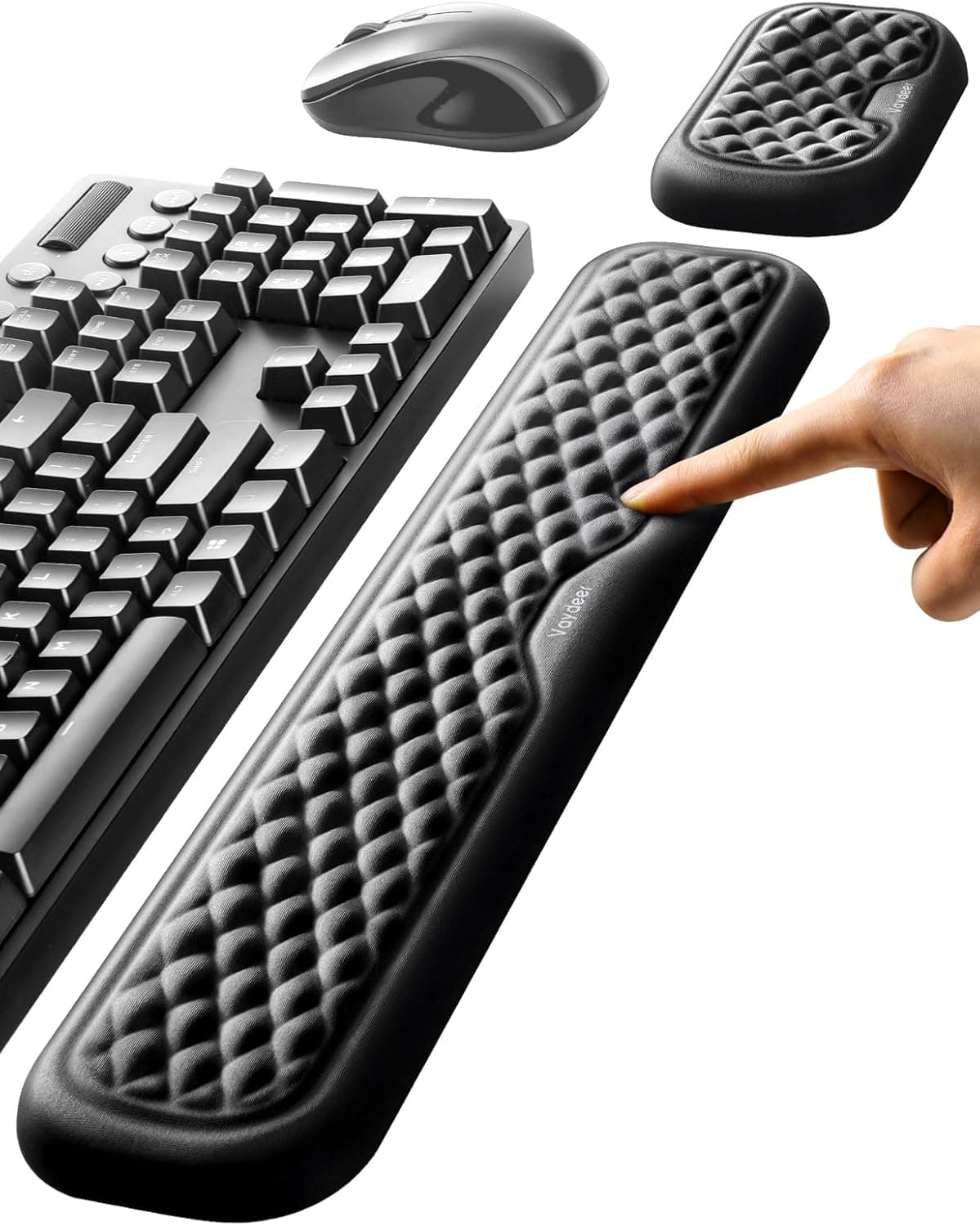
Deskmats and wrist rests do more than look good. Learn how each affects comfort, posture, and sound, and how to set up your keyboard area to reduce strain.
Switch Films Explained
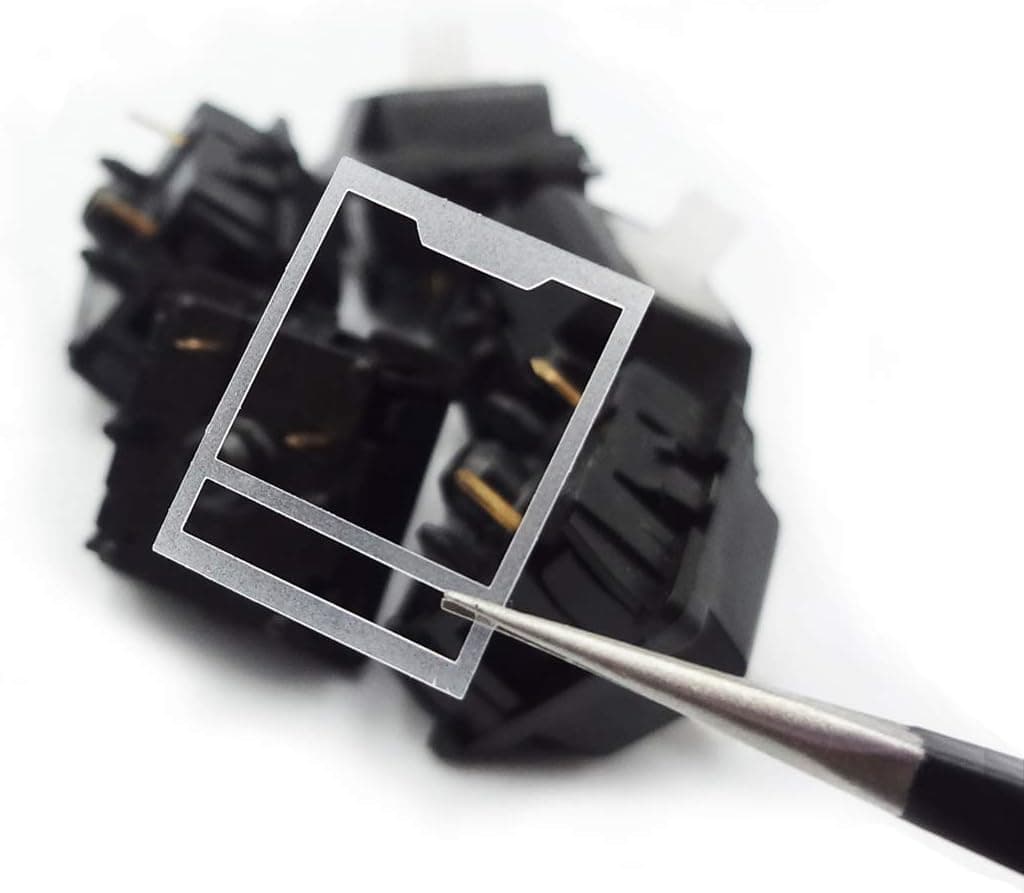
Switch films are thin gaskets placed inside switches to reduce wobble and tighten sound. Learn what they do, when they help, and if they are worth it.
ISO vs ANSI Keyboard Layouts
ISO and ANSI describe two physical keyboard layouts with different enter and shift keys. Learn how they differ and which one fits your region and keycap sets.
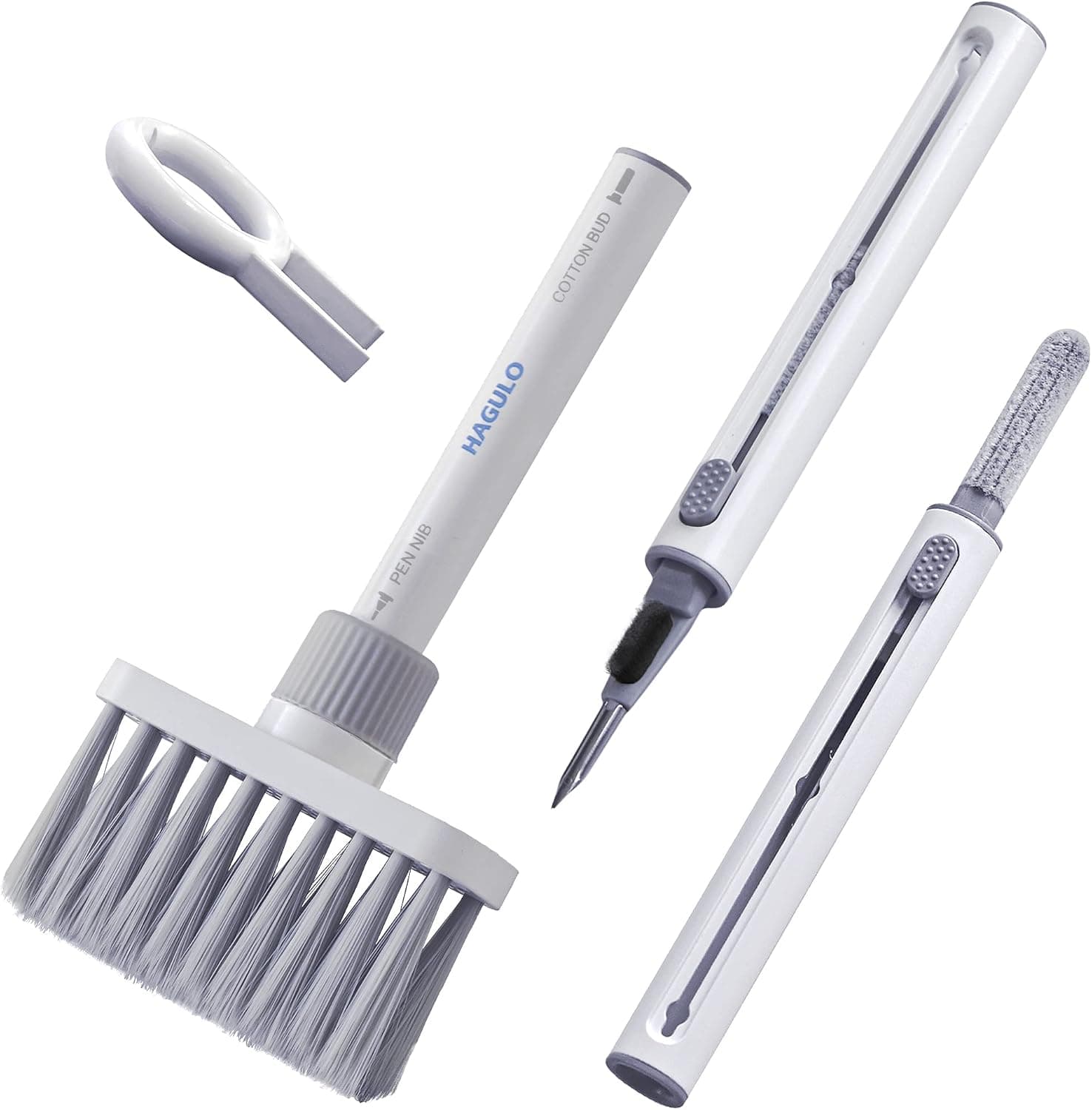
How to Clean a Mechanical Keyboard the Right Way
Dust, crumbs, and grime build up fast on mechanical keyboards. Follow this safe cleaning routine to refresh your keycaps and board without damaging anything.
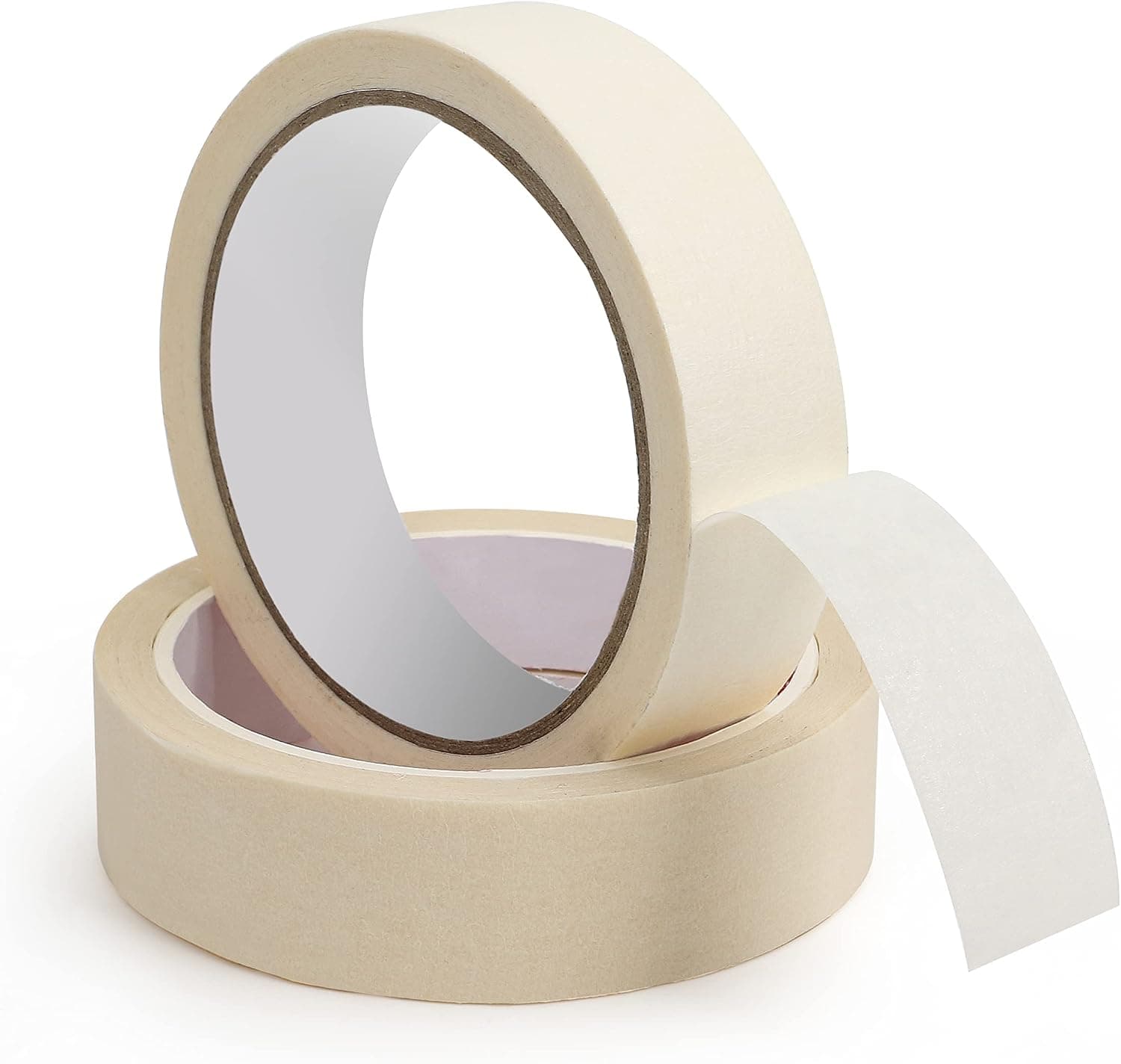
The Tape Mod Explained
The tape mod adds layers of tape to a keyboard's circuit board to deepen its sound. Here is how it works, how to do it safely, and what to expect from it.
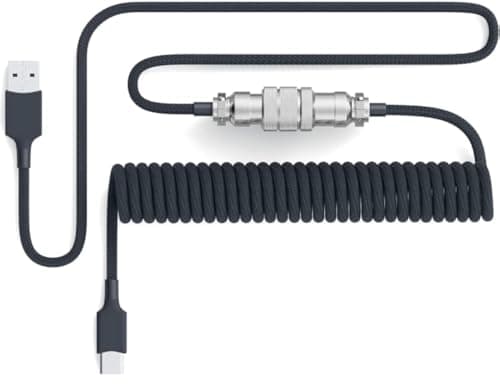
Wireless vs Wired Mechanical Keyboards
Should your mechanical keyboard be wireless or wired? Compare latency, battery, and convenience so you can pick the connection that suits your setup.
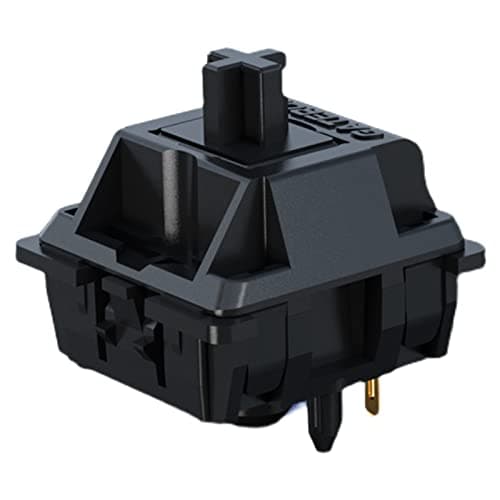
Choosing Your First Mechanical Keyboard
New to mechanical keyboards? This buyer's guide walks through size, switches, keycaps, and connection so your first board matches how you actually type.
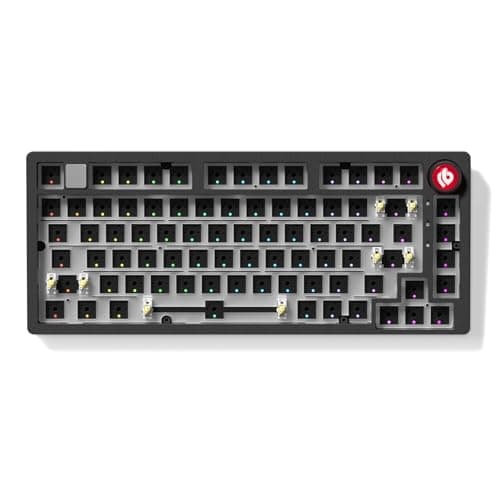
How to Build a Custom Mechanical Keyboard Step by Step
A start to finish overview of building a custom keyboard, from choosing parts to final assembly, so first time builders know what to expect at every stage.
Foam Mods and Sound Tests
Foam mods change how a keyboard sounds by taming hollowness and ping. Learn the common foam placements and how to run a fair sound test before and after.
Gasket Mount vs Tray Mount
Mounting style shapes typing feel and sound. Compare gasket mount, tray mount, and other common methods to understand why some boards feel softer than others.
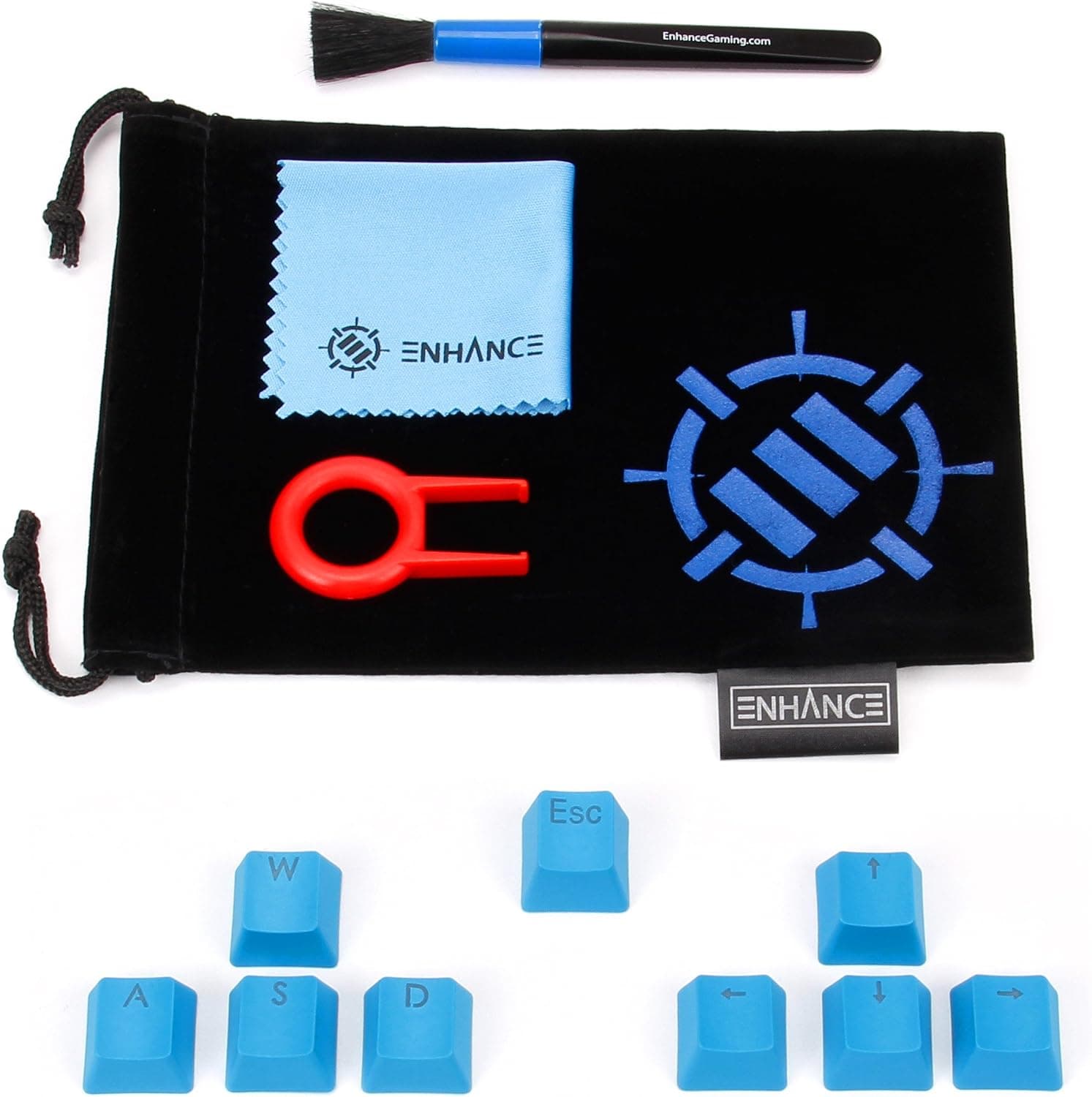
PBT vs ABS Keycaps
PBT and ABS are the two main keycap plastics. Compare their feel, durability, sound, and shine resistance so you can pick the right keycaps for your build.
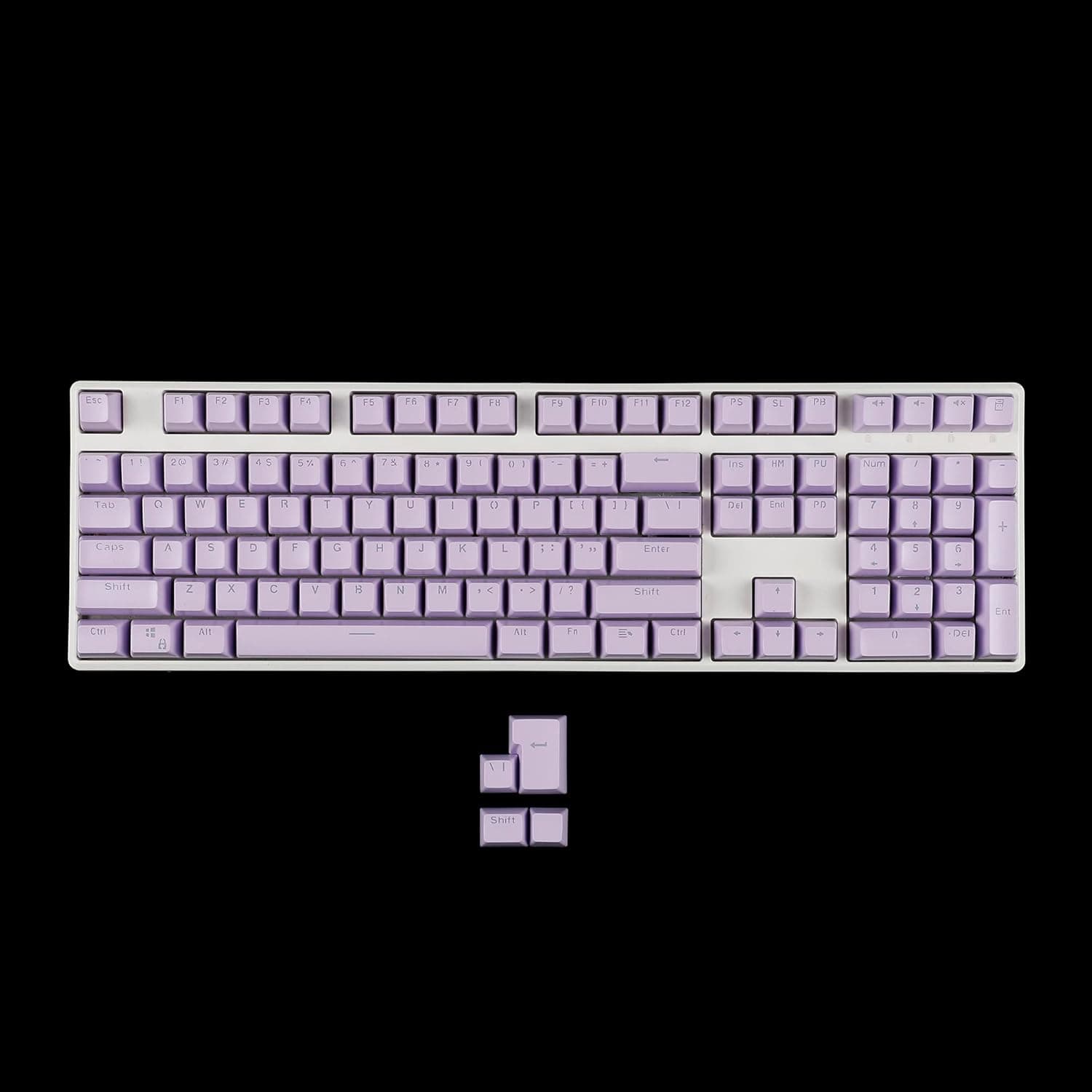
Keycap Profiles Explained
Keycap profile changes how a board feels and sounds. Here is how sculpted and uniform profiles differ, the common families, and how to choose the right height.
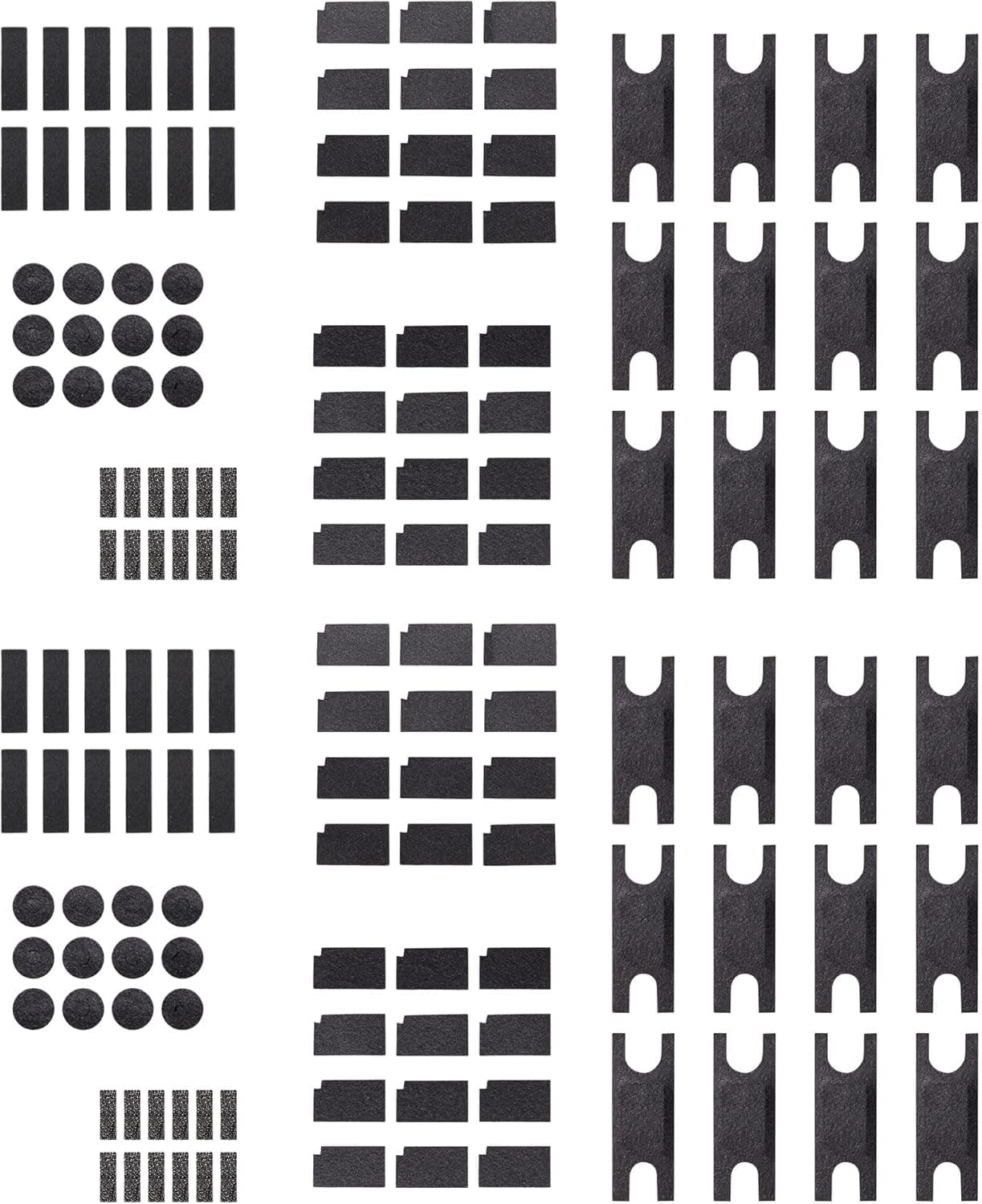
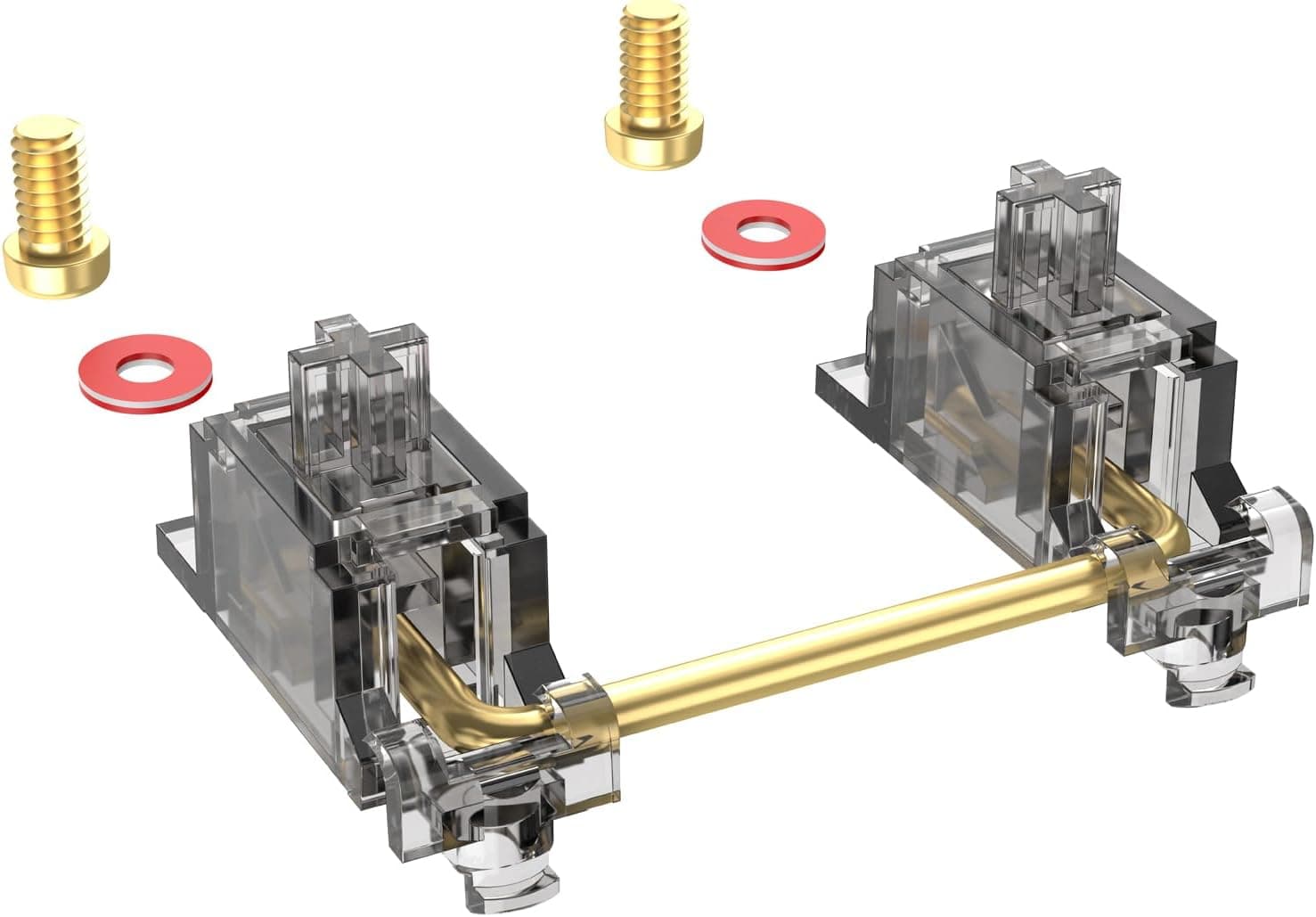
Stabilizer Tuning
Rattly spacebars and shift keys usually mean untuned stabilizers. Learn how clipping, lubing, and the band-aid mod quiet your longer keys for a cleaner sound.
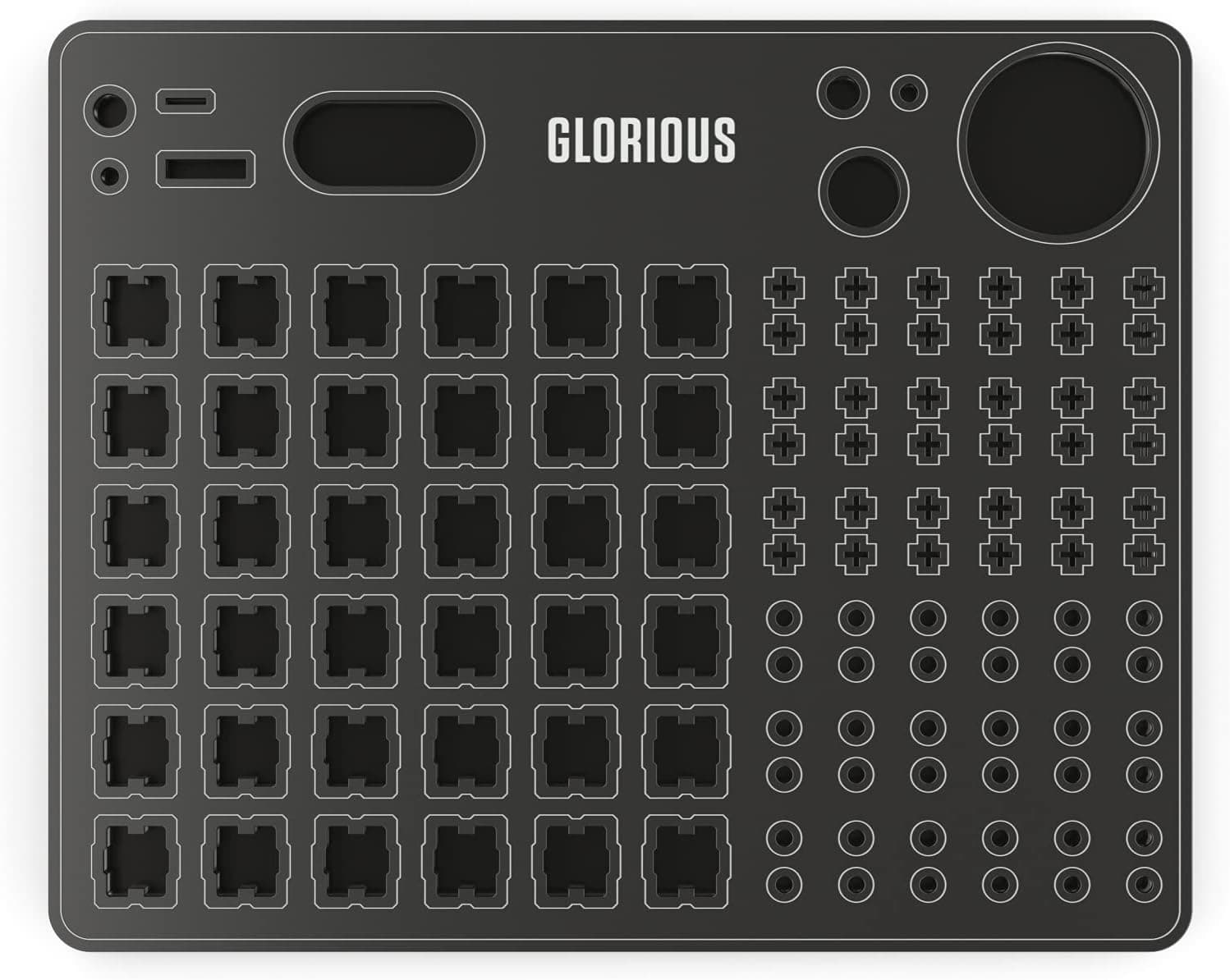
How to Lube Mechanical Switches
Lubing switches smooths travel and improves sound. This beginner walkthrough covers the tools, the steps, and the common mistakes to avoid on your first pass.
What Is a Hot-Swap Keyboard and Why It Matters
Hot-swap keyboards let you change switches without soldering. Here is how the feature works, what it saves you, and the trade offs worth knowing before you buy.
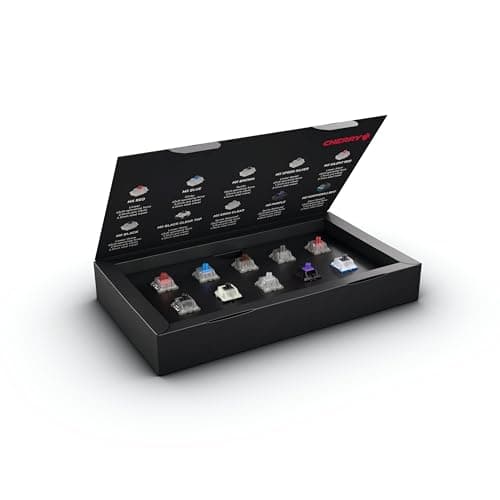
Linear vs Tactile vs Clicky
Understand the three main mechanical switch feels, linear, tactile, and clicky, how each one behaves under the finger, and how to choose the right type.
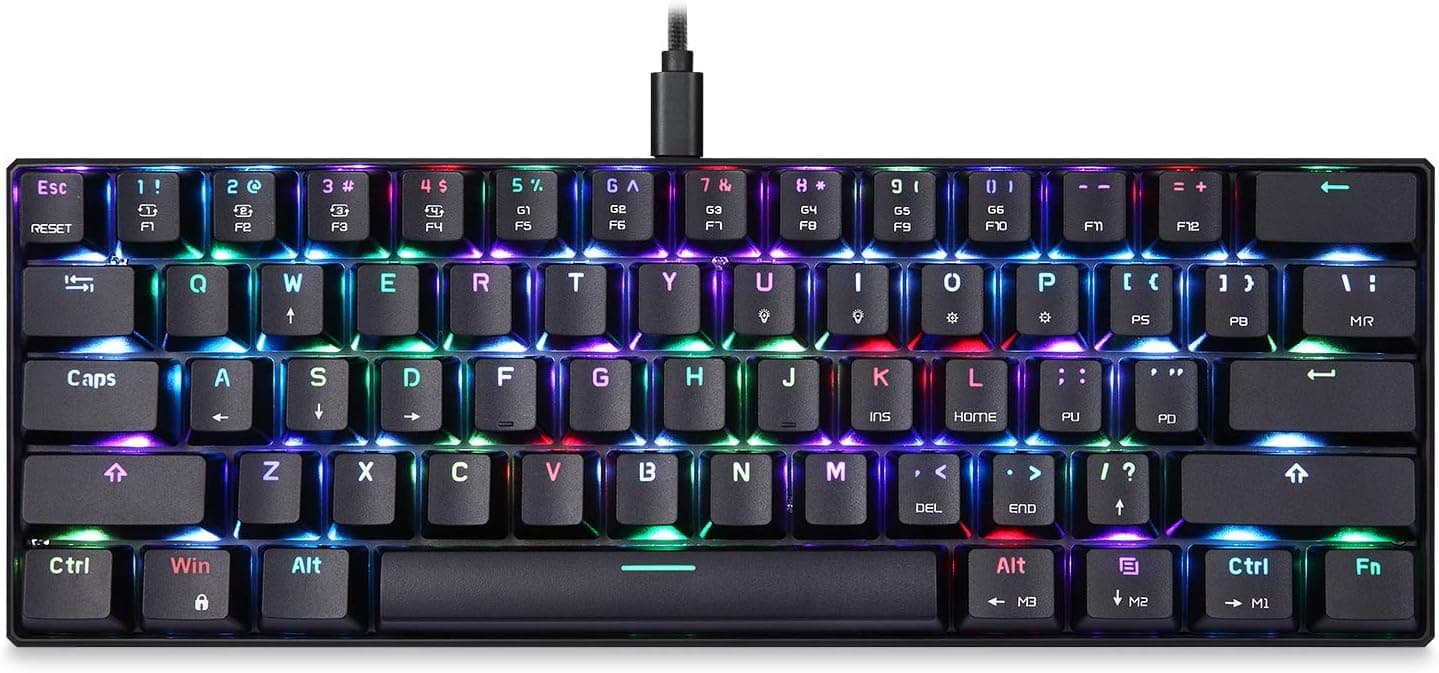
Keyboard Sizes Explained
A plain guide to mechanical keyboard sizes, from full size and TKL down to 75, 65, and 60 percent, so you can pick the layout that fits your desk.