Foam Mods and Sound Tests
Published How we research
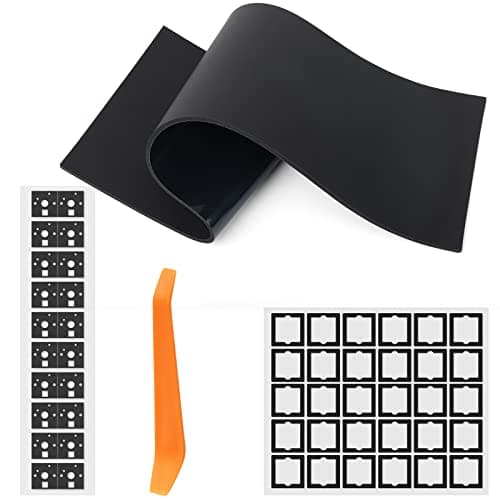
Foam mods are among the easiest ways to change how a keyboard sounds, and they are popular because they need no soldering and little skill. The idea is to fill empty air cavities and dampen vibration so the board sounds fuller and less hollow. Because the effect is largely about acoustics, foam mods pair naturally with doing a proper before and after sound test.
Products from this article
The highest-scoring picks from the buying guides this article links to. Scores are our editorial assessment, not customer ratings.
+ Three mods in one pack: bottom case foam, switch pads and modular PCB-to-plate foam
From our guide: Best Keyboard Case Foam (2026)
+ 0.5mm PE pads create the popular poppy, marbly sound on hot-swap boards
From our guide: Best PE Foam (2026)
+ 3mm thickness balances dampening with fit in most typical cases
From our guide: Best Keyboard Case Foam (2026)
+ 1mm thickness makes the PE sound effect more pronounced
From our guide: Best PE Foam (2026)
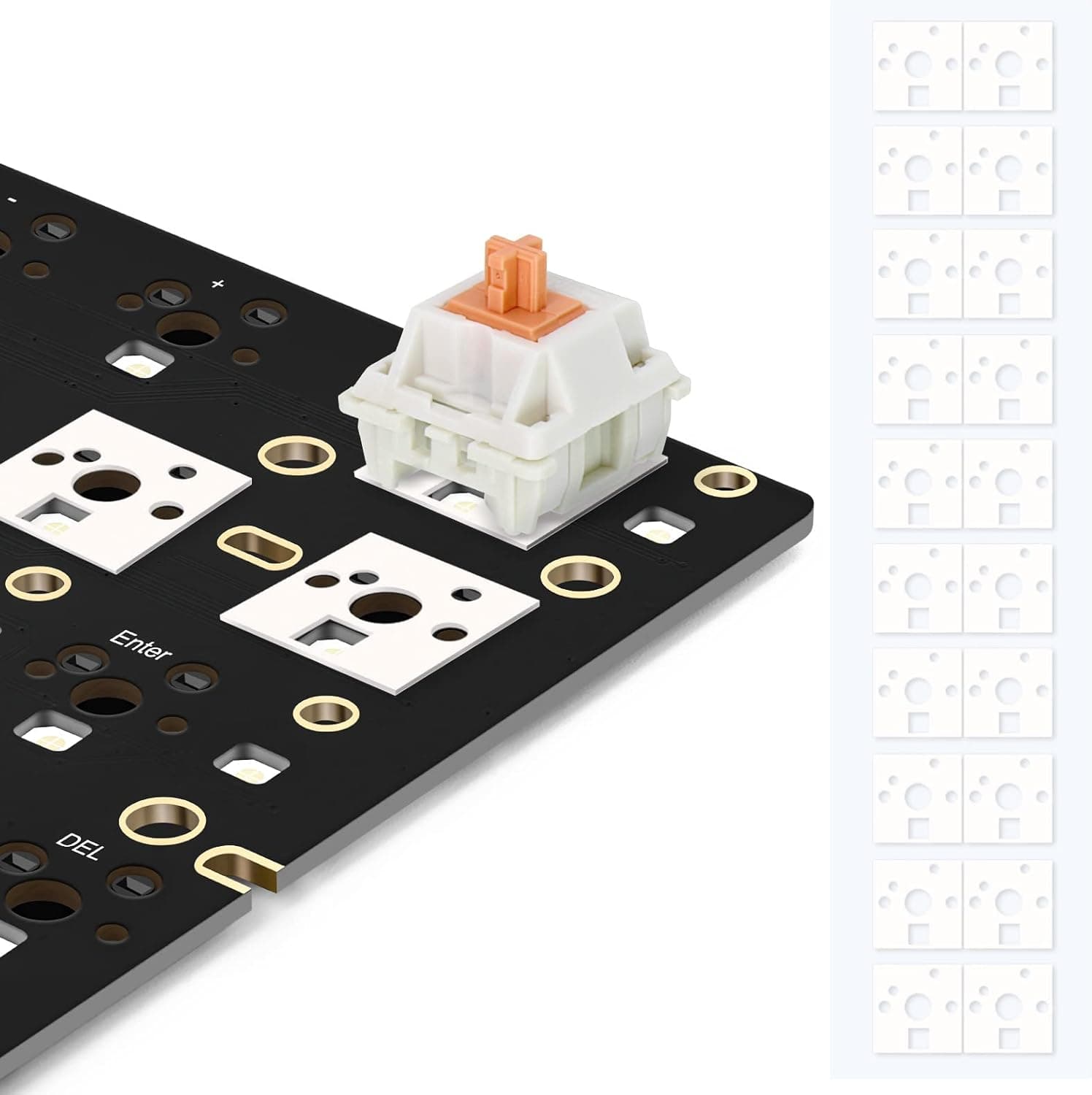
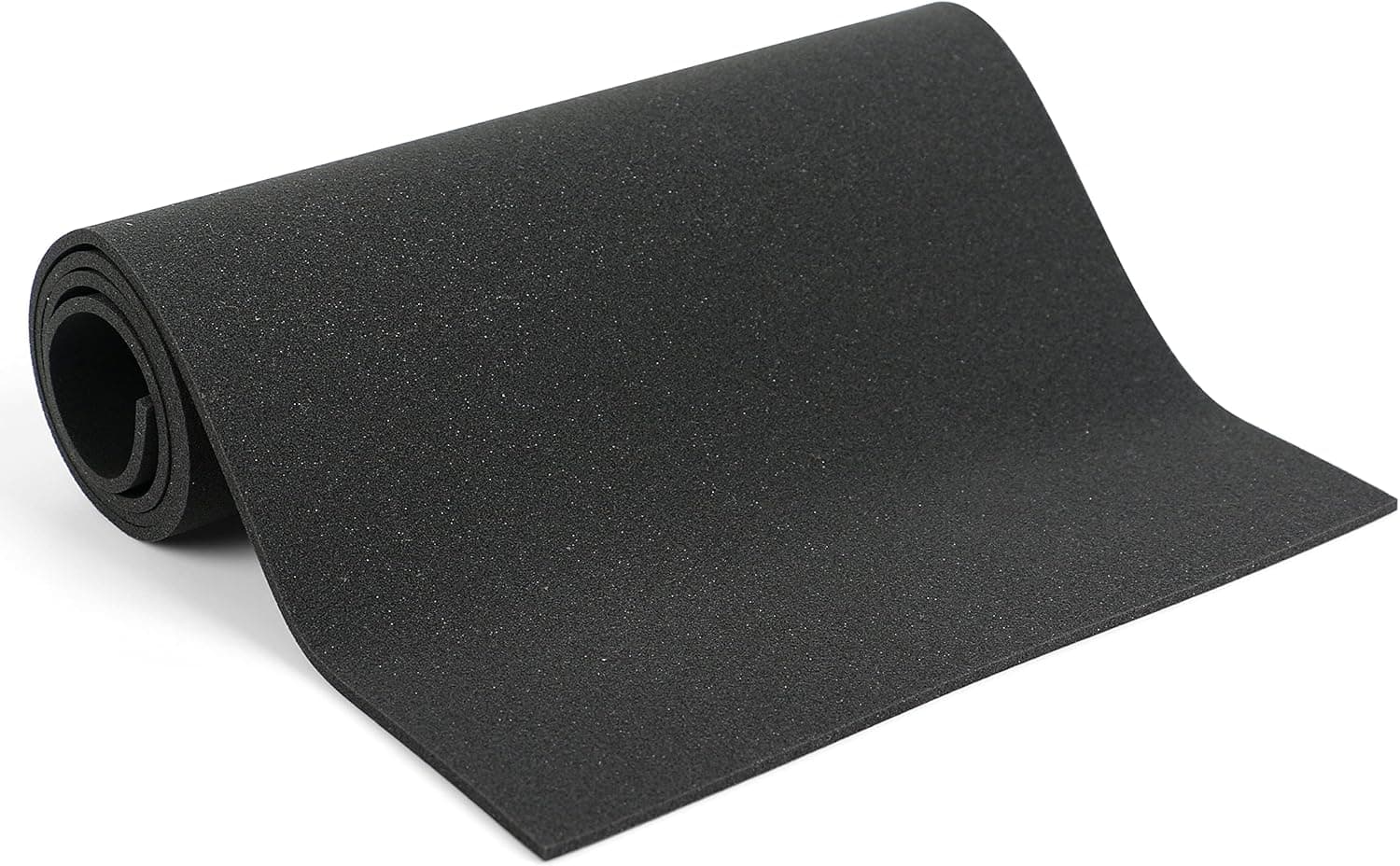
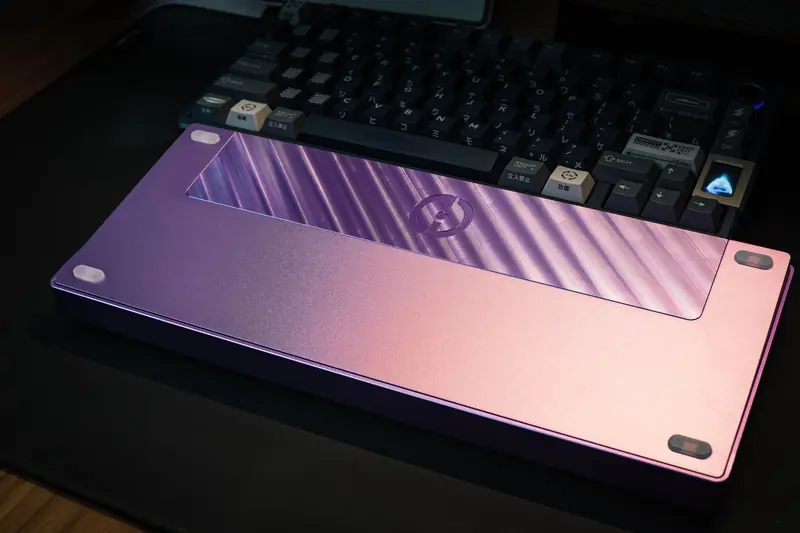
The most common placement is case foam, a piece cut to sit in the bottom of the case under the circuit board. This fills the large empty space that otherwise rings and echoes, removing much of the hollow, tinny quality that untreated cases can have. It is usually the first foam mod people try because the improvement is easy to hear.
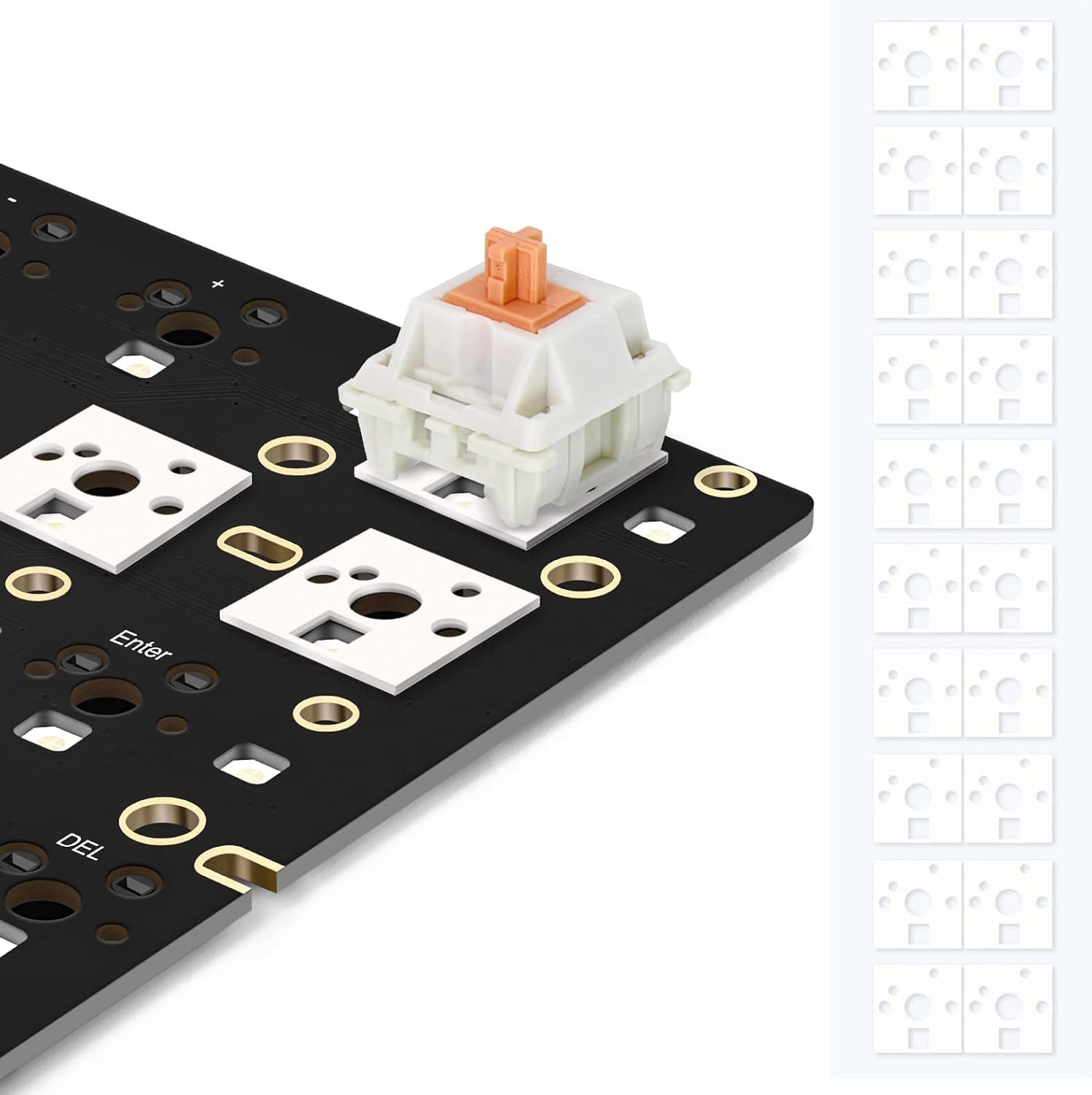
Plate foam sits between the plate and the circuit board and dampens the vibration of the switches themselves, tending to make the sound tighter and a little more muted. Some people love the effect and others feel it removes too much character, so it is more a matter of taste than case foam. Because plate foam is easy to add or remove on many boards, it is worth trying both ways.
Other targeted materials include tape on the back of the circuit board, covered in its own guide, and small pieces placed to quiet specific rattles. The general principle is the same throughout: reduce empty air and unwanted vibration without deadening the board so much that it sounds lifeless.
To judge any foam mod fairly, run a controlled sound test. Record the same keys, at the same distance, with the same microphone and volume, before and after the change, and only change one thing at a time. Listening back to matched recordings tells you far more than memory does, and it keeps you from chasing changes that make no real difference to how the board actually sounds.
Popular right now
- What Is a Hot-Swap Keyboard and Why It MattersArticle
- Best Ortholinear Keyboards (2026)Buying guide
- North vs South Facing SwitchesArticle
- What Are QMK and VIA? Keyboard Firmware ExplainedArticle
- Linear vs Tactile vs ClickyArticle
- Mechanical Keyboard Switch ChartArticle
Based on the last 28 days of search and visitor data.