How to Lube Mechanical Switches
Published How we research
Lubing switches means applying a thin film of lubricant to the moving parts inside each switch to reduce friction and scratch. The payoff is a smoother press, a deeper and more uniform sound, and less of the gritty feeling that stock switches sometimes have. It is one of the most rewarding mods in the hobby, but it rewards patience because you are doing the same small task many times over.
Products from this article
The highest-scoring picks from the buying guides this article links to. Scores are our editorial assessment, not customer ratings.
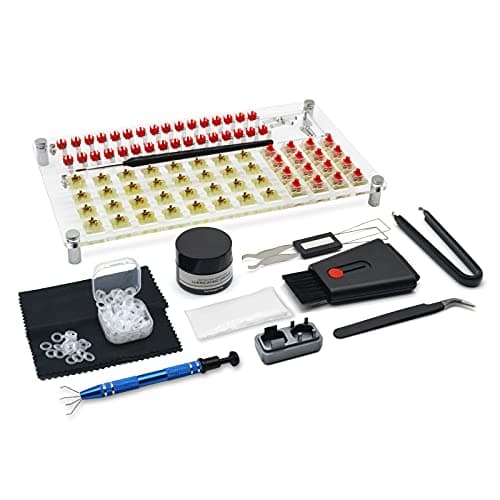
+ Everything for a first lubing session in one box: station, opener, grease, pen, tweezers and pullers
From our guide: Best Switch Lube Stations (2026)
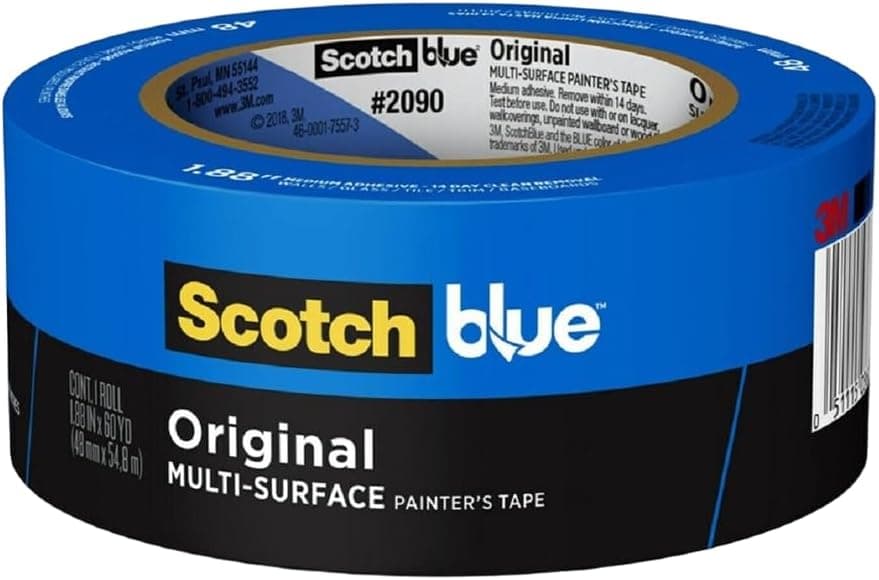
+ 2 inch width covers PCB backs in fewer strips
From our guide: Best Tape Mod Kits (2026)
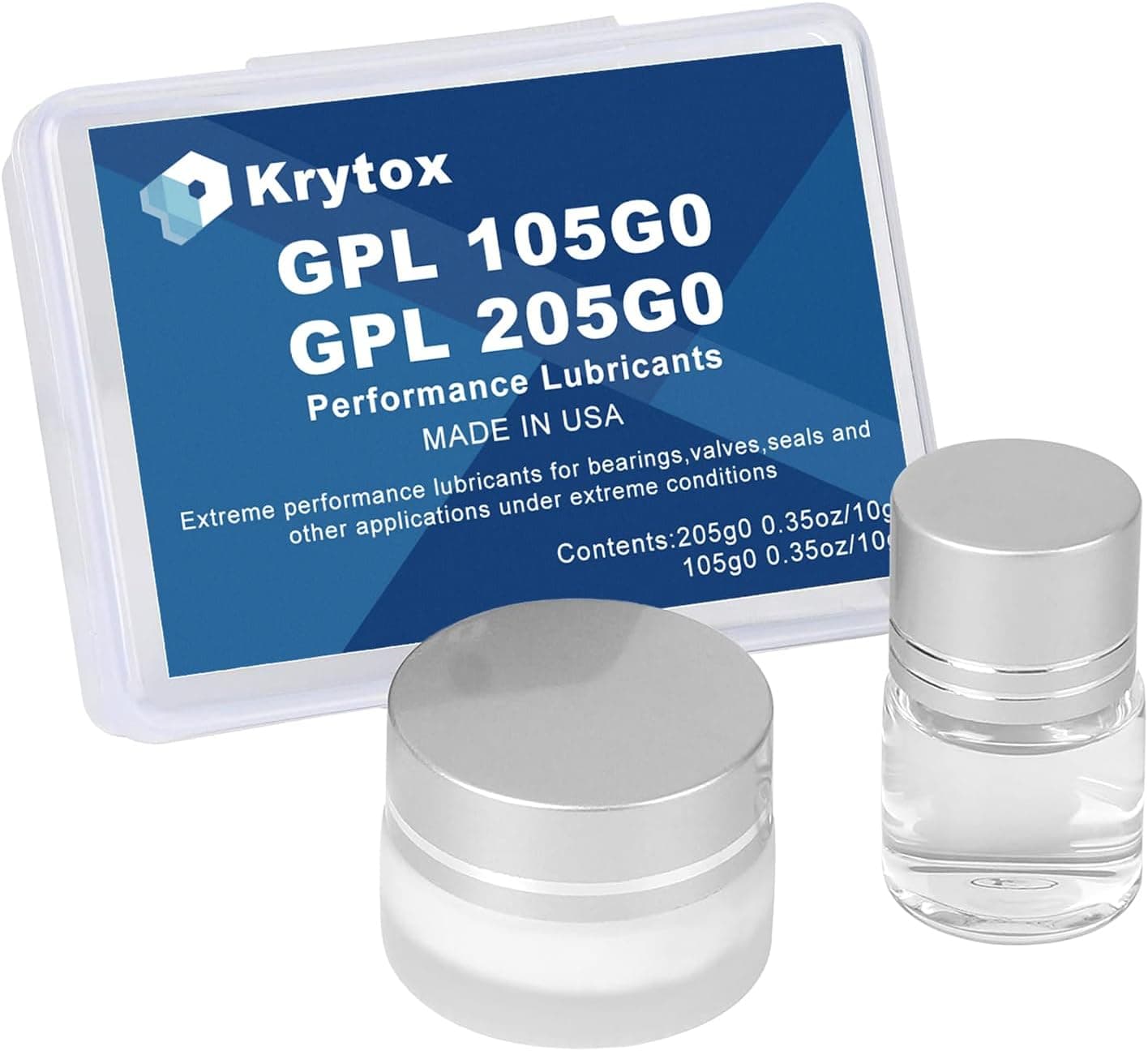
+ 205G0 handles switch housings while 105G0 oil suits springs
From our guide: Best Switch Lube (2026)
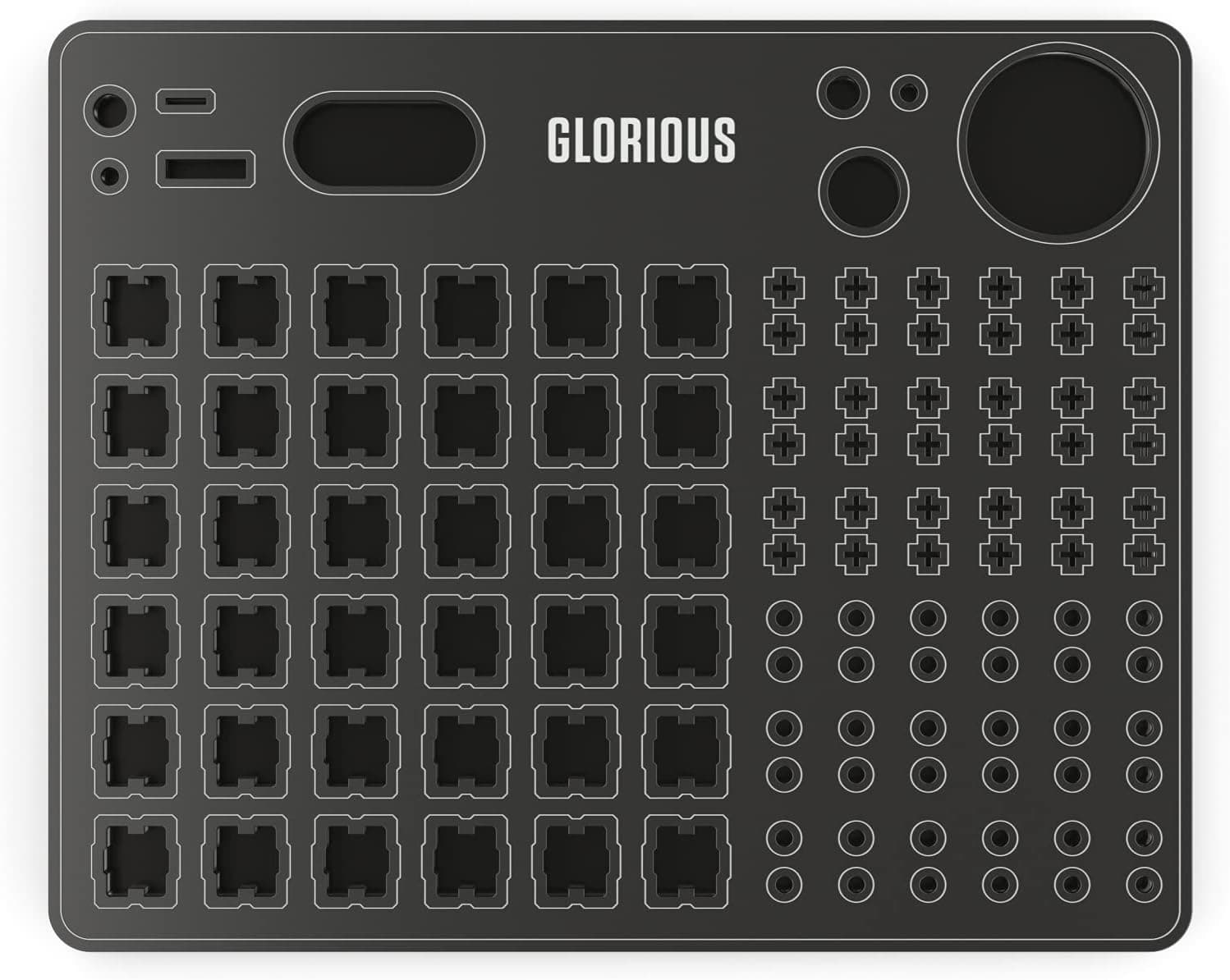
+ Two-layer plate holds 33 MX switches with extra room for springs and stems
From our guide: Best Switch Lube Stations (2026)
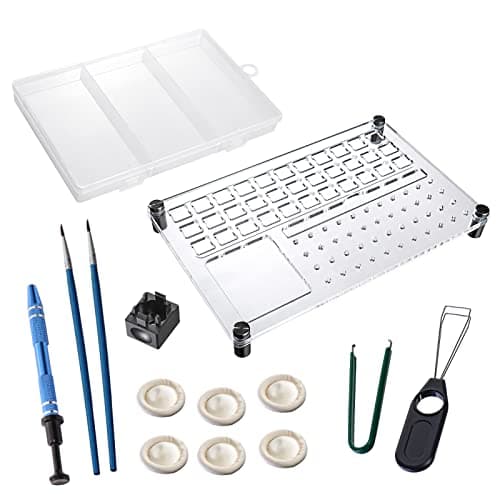
To start you need a switch opener, a fine brush, tweezers, and a lubricant suited to the job. Thin lubricants are generally used for tactile switches so you do not smother the bump, while slightly thicker lubricants are common for linears where smoothness is the goal. Clicky switches are usually left unlubed on the click mechanism because lube can dull the very sound they exist to make.
The process is methodical. Open each switch into its parts, then brush a light, even coat onto the rails of the housing where the stem slides, the stem sides that contact those rails, and often the spring to quiet any ping. The single most common mistake is using too much: a thin, even film is the target, and puddles will make switches feel sluggish and muddy.
Springs can be lubed individually with a brush or in a batch by placing them in a bag with a small amount of lubricant and shaking gently. Bag lubing is faster but less precise, so many people brush springs on a first build to stay in control. Whichever you choose, keep coats light and consistent from switch to switch.
Budget your time realistically, since a full board can take a few hours and your technique speeds up as you go. Do a handful of switches, test the feel, and adjust your amount before committing to the rest. Done carefully, hand lubing transforms a decent switch into something that feels and sounds far more premium than its cost would suggest.
Popular right now
- What Is a Hot-Swap Keyboard and Why It MattersArticle
- Best Ortholinear Keyboards (2026)Buying guide
- North vs South Facing SwitchesArticle
- What Are QMK and VIA? Keyboard Firmware ExplainedArticle
- Linear vs Tactile vs ClickyArticle
- Mechanical Keyboard Switch ChartArticle
Based on the last 28 days of search and visitor data.