ISO vs ANSI Keyboard Layouts
Published How we research
ANSI has a wide horizontal enter key and a long left shift. ISO has a tall two-row enter shaped like an upside down L, a shorter left shift with an extra key beside it, and a relocated backslash. ANSI dominates the US, ISO dominates much of Europe, and the practical consequence is keycap availability.
Products from this article
The highest-scoring picks from the buying guides this article links to. Scores are our editorial assessment, not customer ratings.
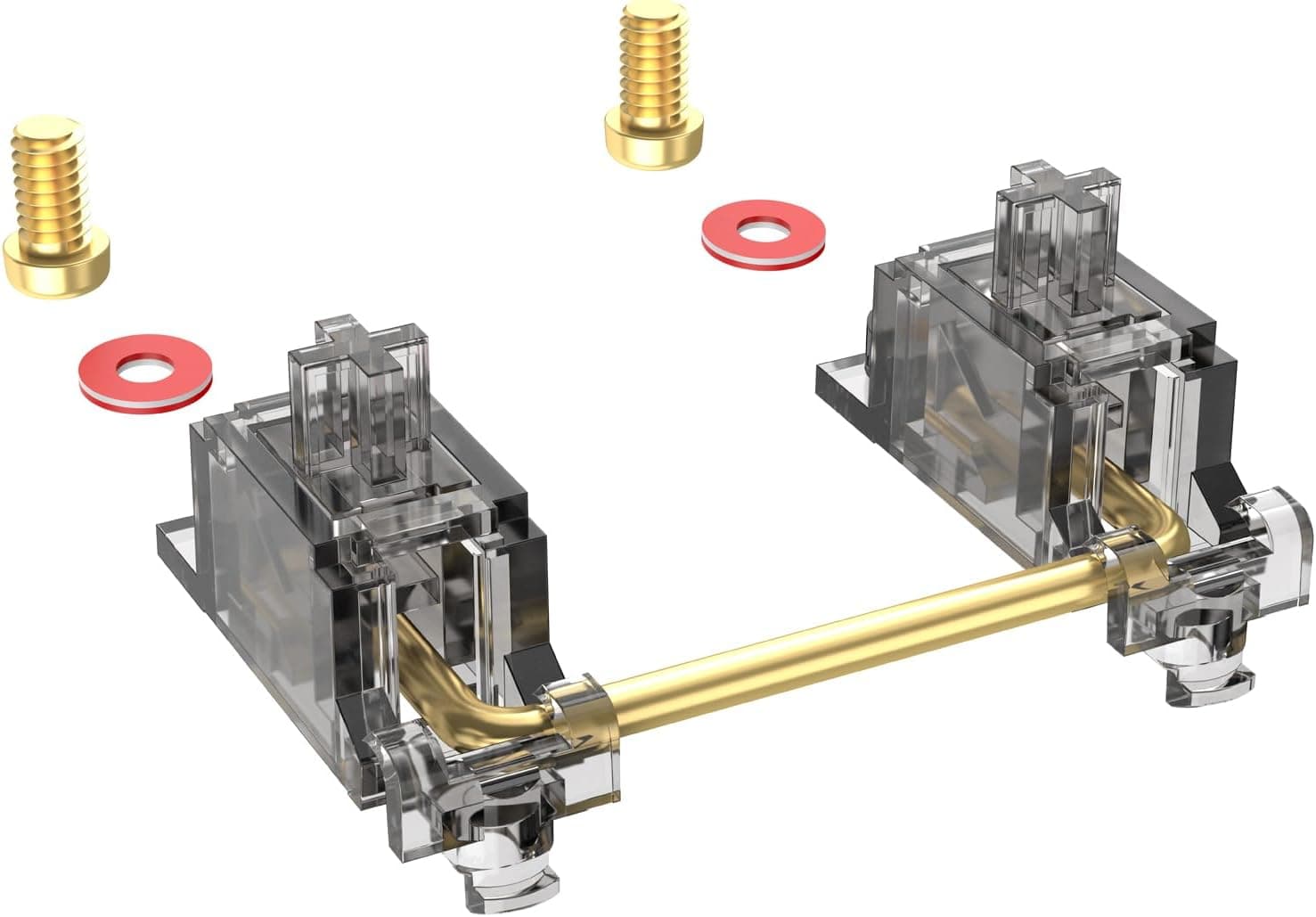
+ Included 6.25u and 7u wires support different spacebar sizes
From our guide: Best Keyboard Stabilizers (2026)
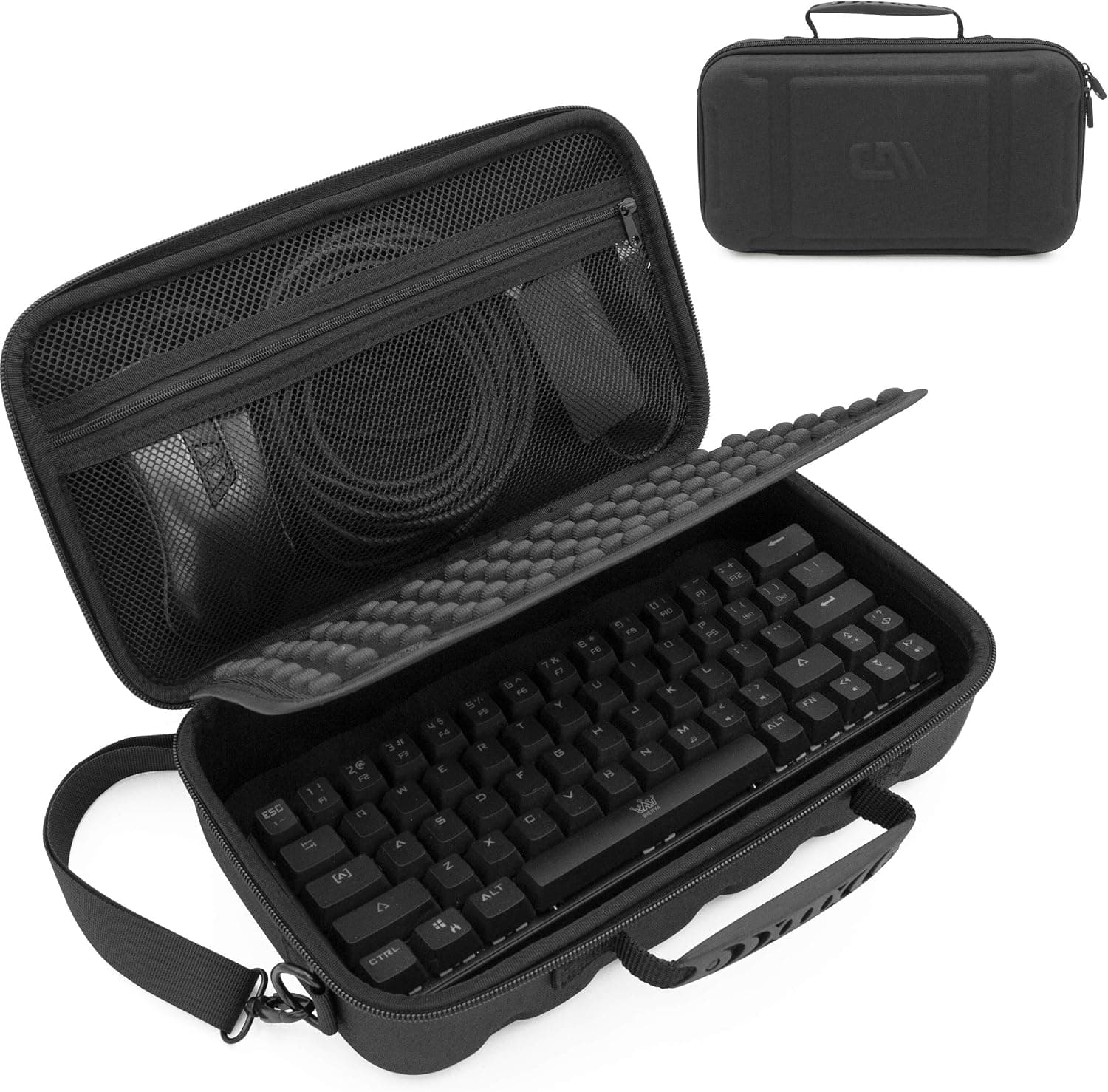
+ Shoulder strap makes carrying to LAN events easier
From our guide: Best Keyboard Carrying Cases (2026)
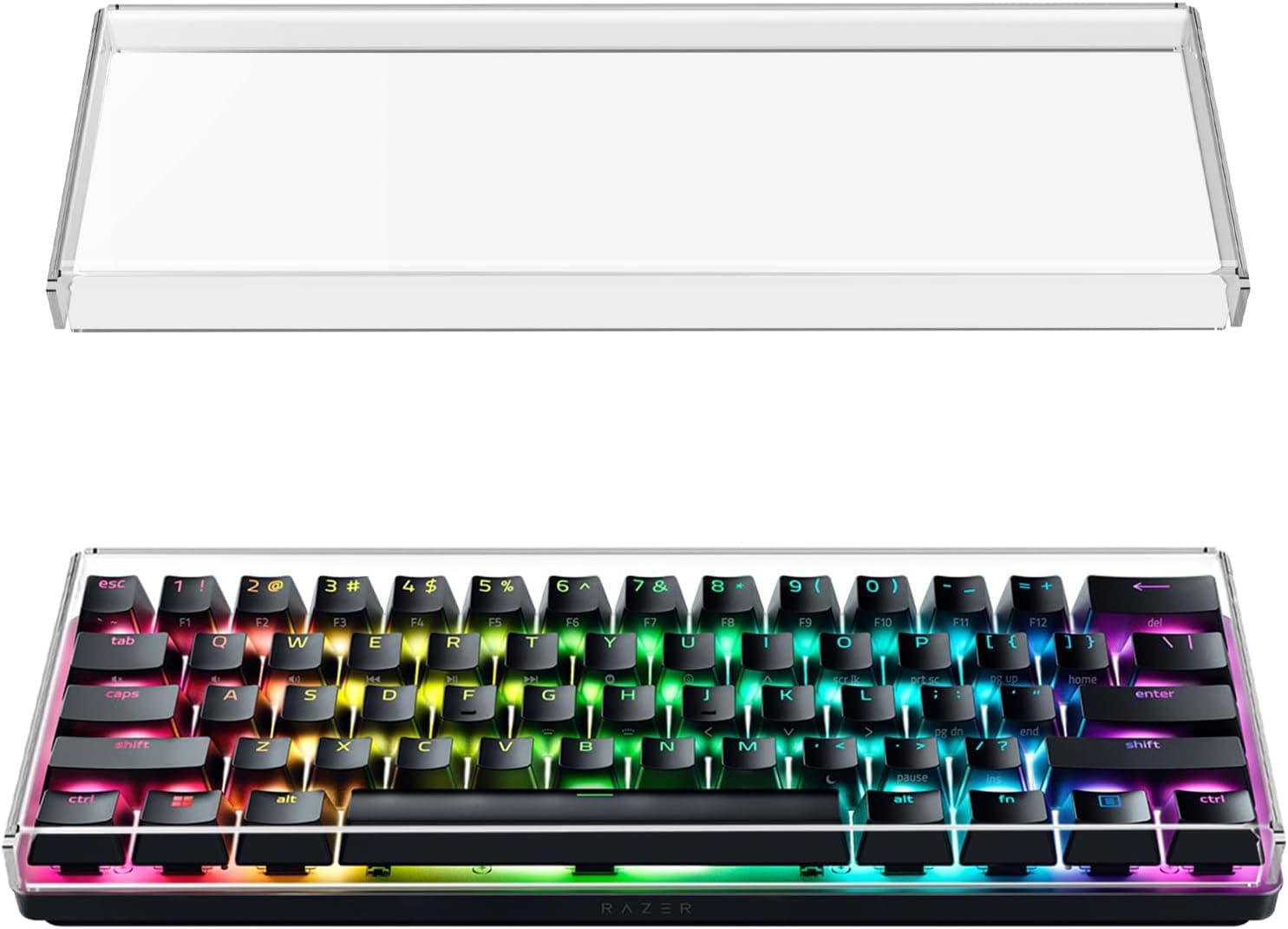
+ Named fits for Huntsman Mini and RK61 simplify sizing
From our guide: Best Keyboard Dust Covers (2026)
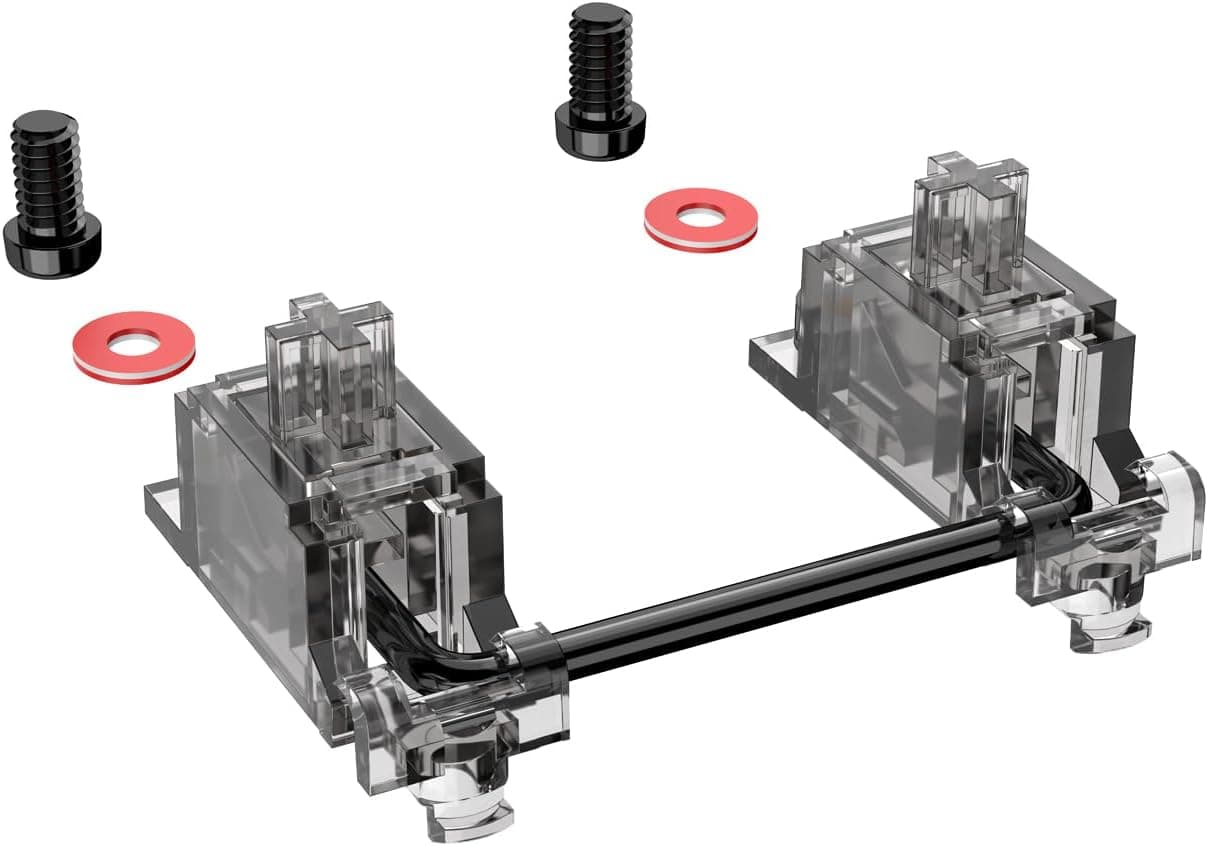
+ Smokey Black housings blend into dark themed builds
From our guide: Best Keyboard Stabilizers (2026)
The Enter Key: The Most Visible Difference
The most visible difference is the enter key. ANSI uses a wide, horizontal enter key shaped like a long rectangle, while ISO uses a tall enter key that spans two rows in an upside down L shape. This single change ripples outward, because the keys around enter are resized and rearranged to accommodate the different shape.
Left Shift and the Extra Key
The left shift key is the other headline difference. On ANSI the left shift is a single long key, whereas on ISO it is shorter, with an extra key added beside it. ISO layouts also typically place the backslash key in a different position and often include an additional key near the enter cluster, which is why the two are not simply interchangeable.
Which Layout You Get Depends on Where You Are
Geography drives which layout you encounter. ANSI is standard across the United States and common in many other places, while ISO is the norm across much of Europe and other regions, where the extra key and taller enter suit local characters. Neither layout is objectively better, and most people simply prefer whichever they learned to type on.
Keycaps and Availability: The Practical Catch
The practical takeaway concerns keycaps and availability. Many keycap sets are designed primarily for ANSI, and while a lot of sets include ISO support, not all do, so ISO users should confirm compatibility before buying. Likewise, more keyboards are offered in ANSI than ISO overall. Pick the layout that matches your typing habit and your region, then verify that your chosen keycaps and board explicitly support it.
Common Questions About ISO vs ANSI
Which layout should I buy? Whichever matches the one you already type on. Switching layouts costs more retraining than any hardware benefit is worth.
Do all keycap sets support ISO? No. Many sets are designed around ANSI first, and ISO support is often a separate kit. Always confirm before buying a full set.
Can I put ANSI keycaps on an ISO board? Mostly, except for the enter, left shift and the extra key, which need ISO-specific caps.
Does ISO have more keys? Yes, one more than ANSI, which is why the left shift is shorter and the enter key is taller.
Popular right now
- What Is a Hot-Swap Keyboard and Why It MattersArticle
- Best Ortholinear Keyboards (2026)Buying guide
- North vs South Facing SwitchesArticle
- What Are QMK and VIA? Keyboard Firmware ExplainedArticle
- Linear vs Tactile vs ClickyArticle
- Mechanical Keyboard Switch ChartArticle
Based on the last 28 days of search and visitor data.