Switch Films Explained
Published How we research
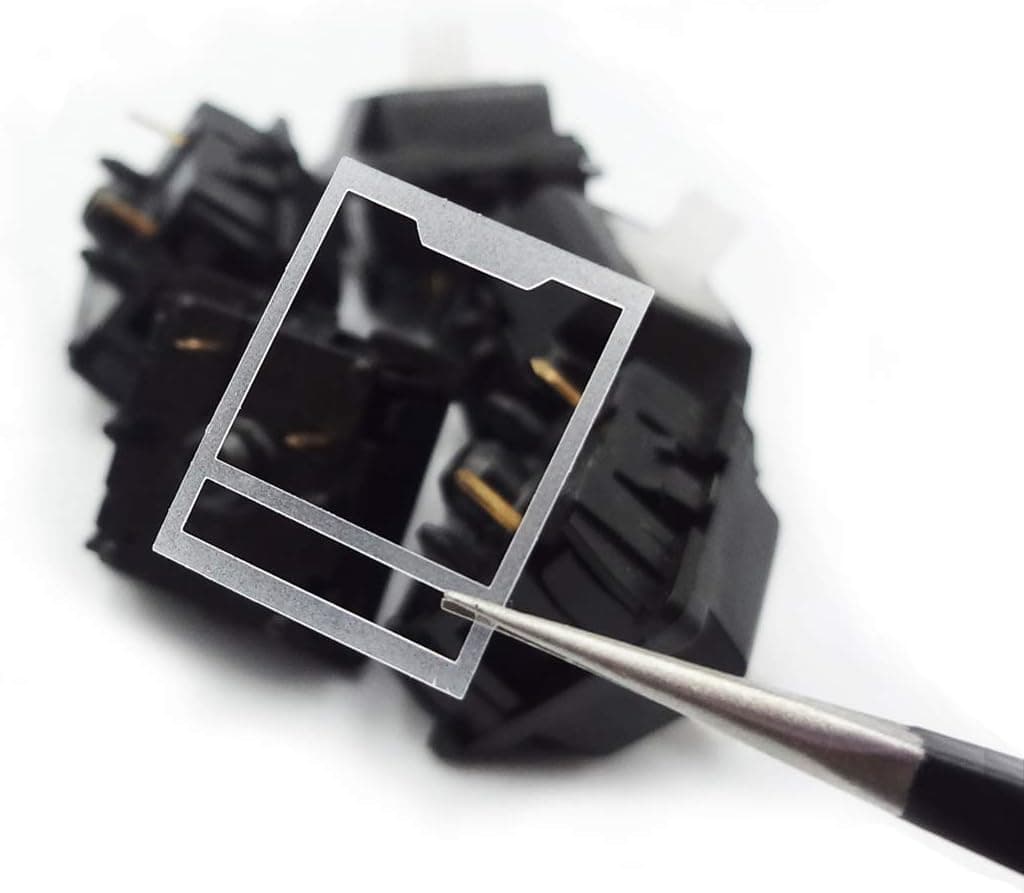
Switch films are thin pieces of material placed between the top and bottom halves of a switch housing during assembly. Their job is to reduce the tiny gap and looseness between those two halves, which tightens the fit of the whole switch. Films are a small, inexpensive part, but they generate plenty of debate about how much difference they actually make.
Products from this article
The highest-scoring picks from the buying guides this article links to. Scores are our editorial assessment, not customer ratings.
+ 0.15mm films tighten loose switch housings to reduce wobble
From our guide: Best Switch Films (2026)
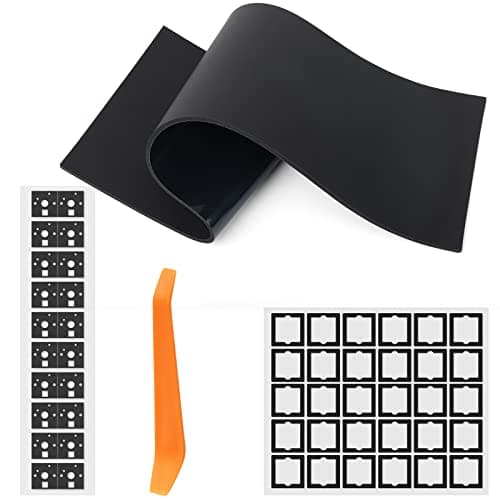
+ Three mods in one pack: bottom case foam, switch pads and modular PCB-to-plate foam
From our guide: Best Plate Foam (2026)
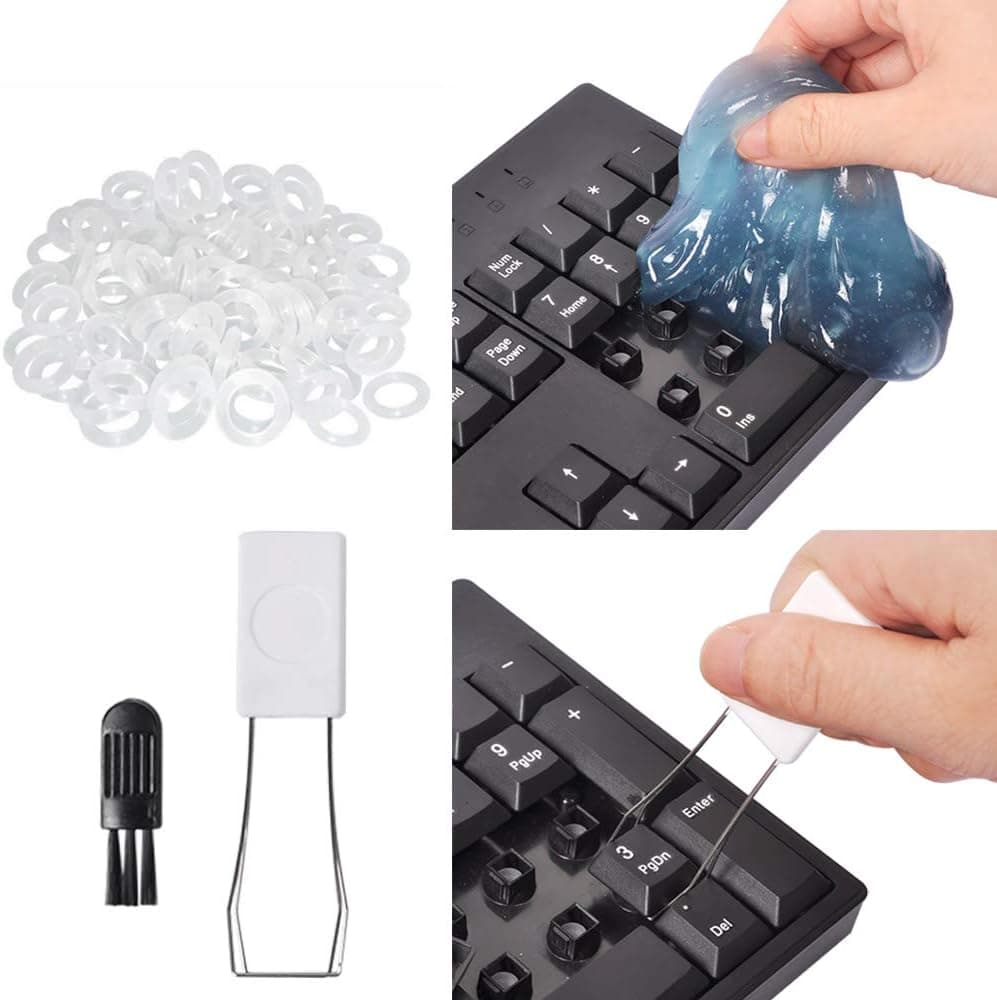
+ Remover tool and brush are included for easier installation
From our guide: Best Keycap O-Rings (2026)
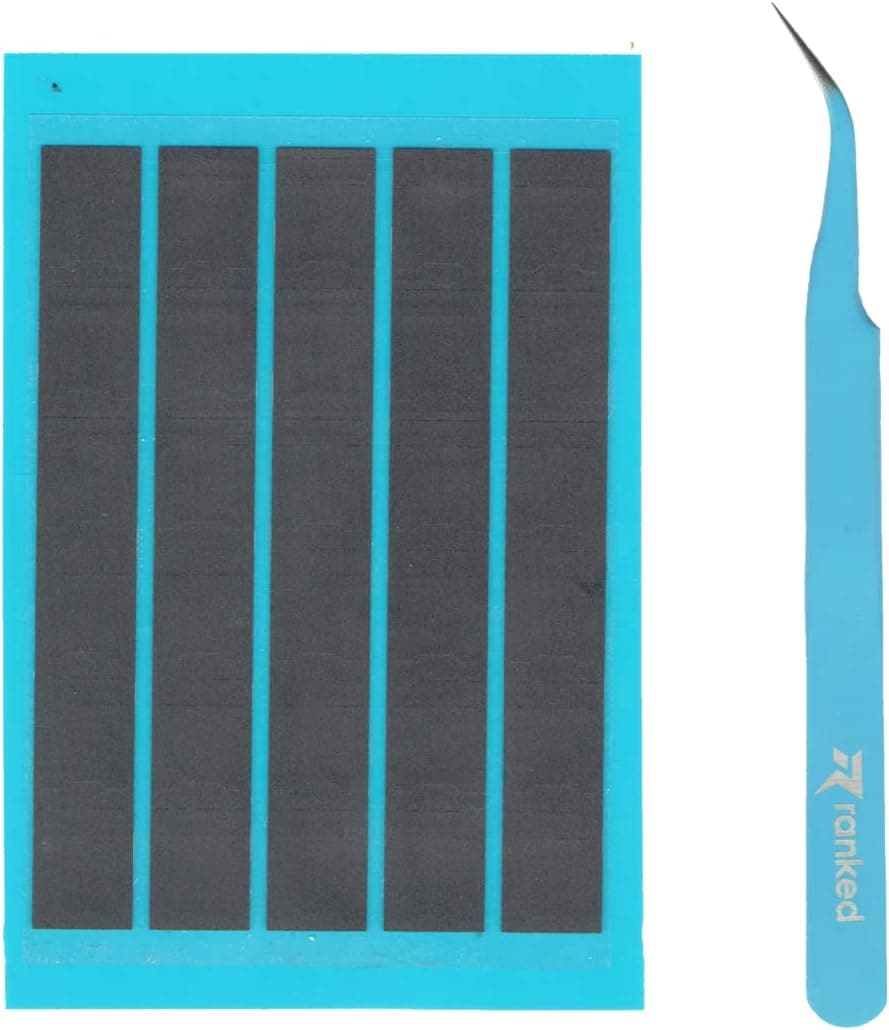
+ Tweezers included for easier film placement
From our guide: Best Switch Films (2026)
The benefits films aim to deliver are less housing wobble and a more consistent, slightly deeper sound. By snugging the two halves together, films can remove a small amount of play and help each switch sound and feel more uniform across the board. On switches whose housings fit loosely from the factory, this improvement can be genuinely noticeable.
Whether you need them depends heavily on the switch. Many modern switches are manufactured with tight tolerances and fit well on their own, in which case films add little. On looser switches, or when you want every switch to be as consistent as possible, films can meaningfully tighten things up. The looser the stock fit, the more films tend to help.
Films are almost always installed at the same time as lubing, because both tasks require opening every switch anyway. Adding films during a lube session costs only a little extra time per switch, which is why the two mods are so often bundled. Doing them separately would mean opening every switch twice, so combine them if you plan to film at all.
For a first build, films are optional and low priority compared with tuning stabilizers and lubing. Try lubing alone first, and reach for films if you notice housing wobble or want maximum consistency on a set of looser switches. They are a fine refinement for enthusiasts, but they are not a required step, and plenty of great sounding boards skip them entirely.
Popular right now
- What Is a Hot-Swap Keyboard and Why It MattersArticle
- Best Ortholinear Keyboards (2026)Buying guide
- North vs South Facing SwitchesArticle
- What Are QMK and VIA? Keyboard Firmware ExplainedArticle
- Linear vs Tactile vs ClickyArticle
- Mechanical Keyboard Switch ChartArticle
Based on the last 28 days of search and visitor data.