Deskmat and Wrist Rest Ergonomics for Keyboard Comfort
Published How we research
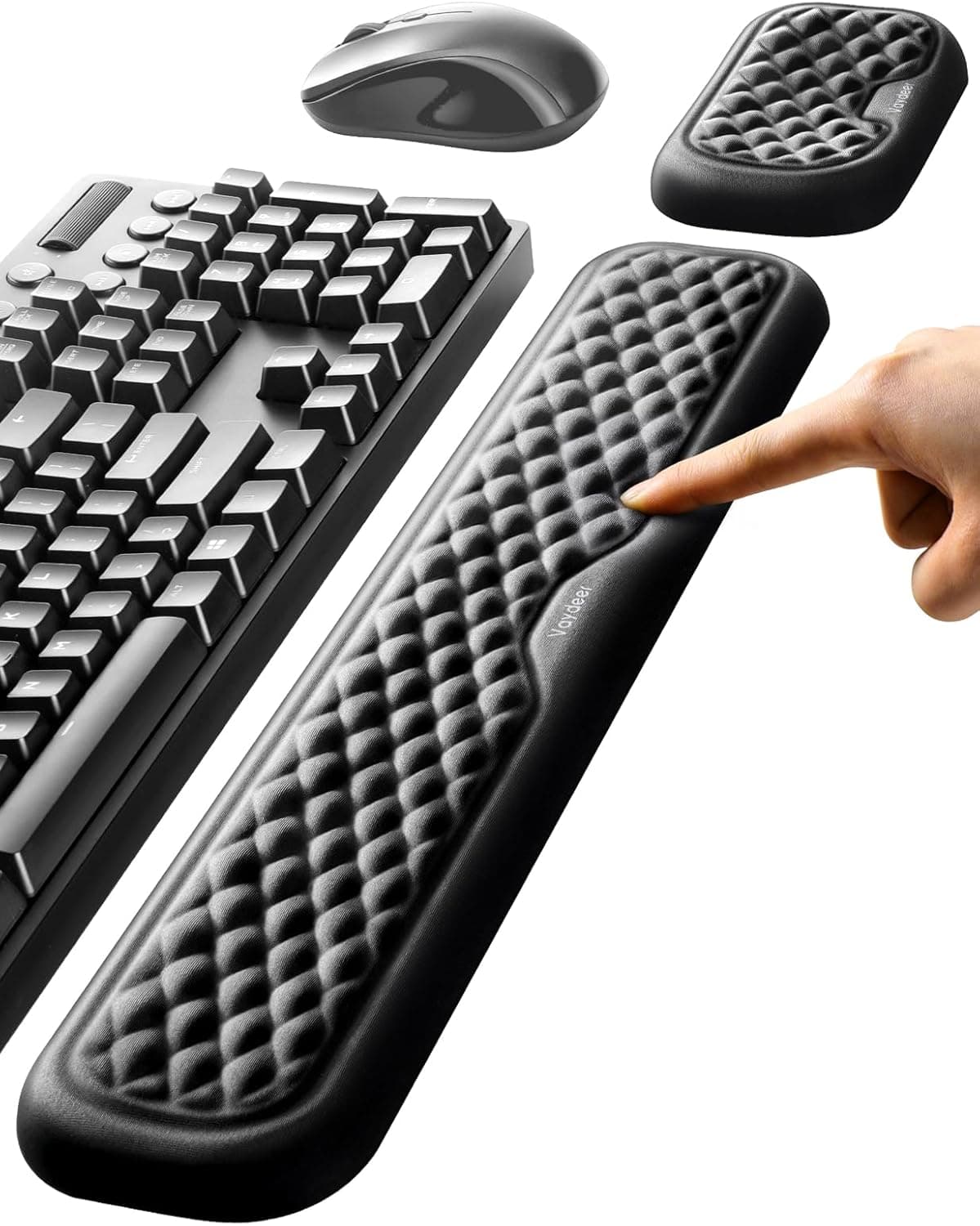
Deskmats and wrist rests are the accessories that surround your keyboard, and while they are often bought for looks, both play real roles in comfort and even sound. A deskmat is a large soft mat that your keyboard and mouse sit on, and a wrist rest is a padded bar placed in front of the board. Used thoughtfully, they make long typing sessions noticeably easier on your body.
Products from this article
The highest-scoring picks from the buying guides this article links to. Scores are our editorial assessment, not customer ratings.
+ Memory foam molds to wrists for steady support on tall keyboards
From our guide: Best Keyboard Wrist Rests
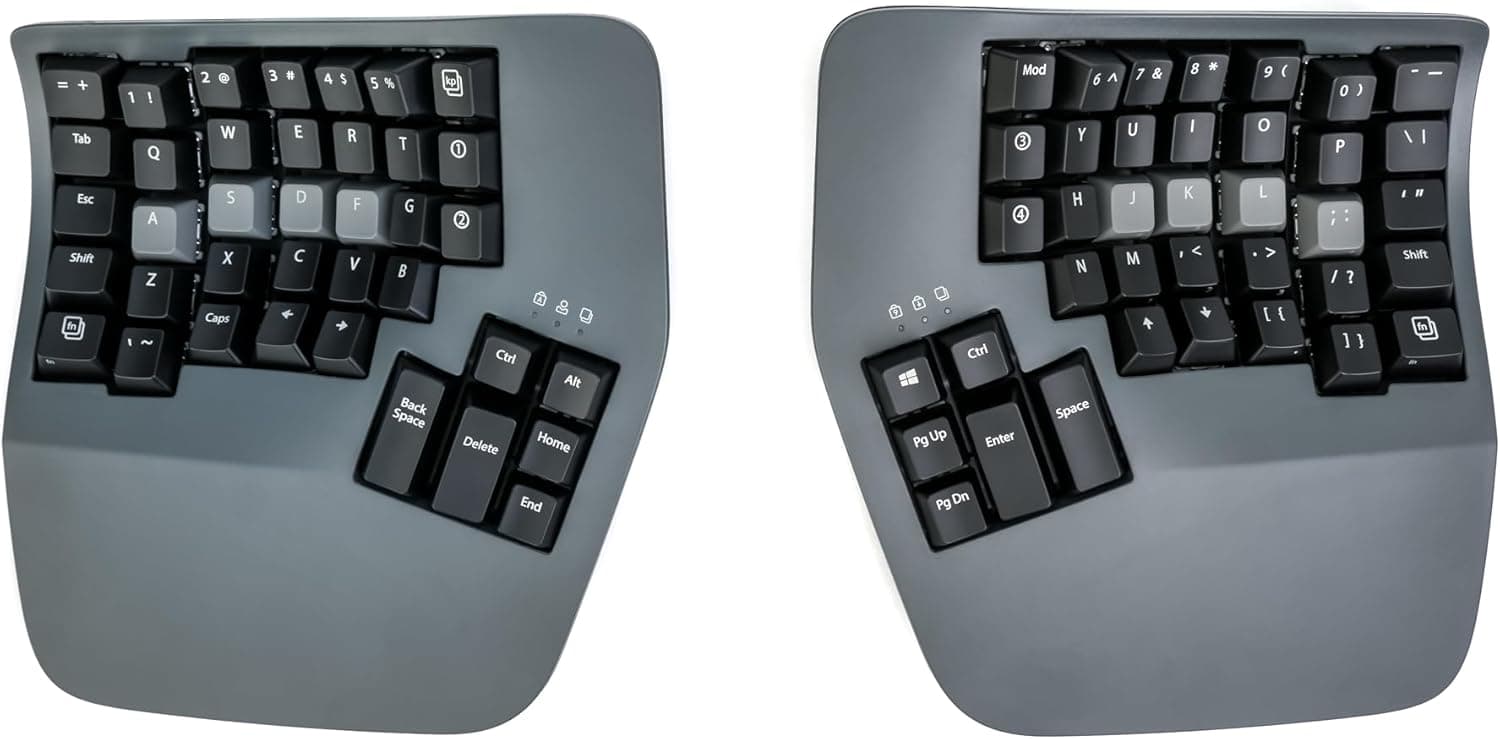
+ Contoured key wells bring keys closer to fingers and reduce stretching
From our guide: Best Split Ergonomic Mechanical Keyboards (2026)
+ 36x12 size fits a full size keyboard and mouse area
From our guide: Best Deskmats
+ Kit covers keyboard and mouse wrists for balanced posture
From our guide: Best Keyboard Wrist Rests


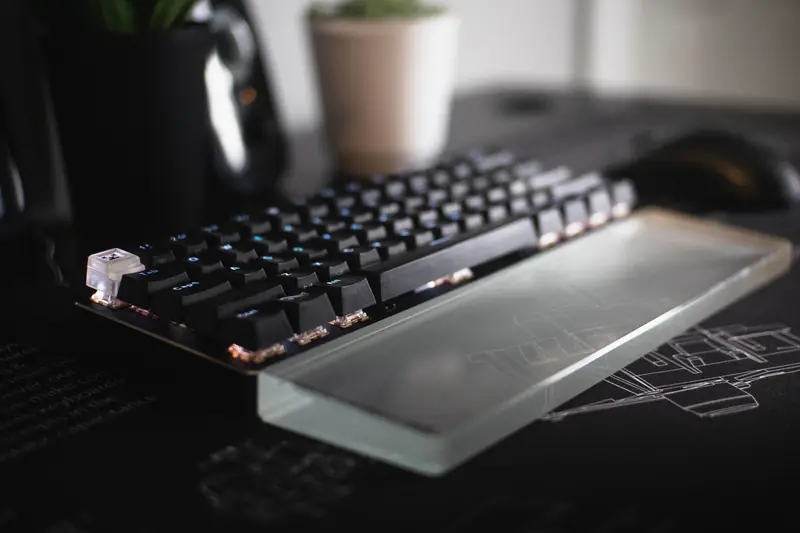
A deskmat provides a consistent, slightly cushioned surface that gives the mouse a smooth glide and keeps the keyboard from sliding around. It also has a subtle acoustic effect, since the soft surface absorbs some vibration and can make a board sound marginally less harsh than it does on bare desk. The comfort and stability alone make a mat a worthwhile addition for most setups.
A wrist rest addresses posture. Without support, many people bend their wrists upward to reach the keys, especially on taller keyboards, and holding that angle for hours contributes to strain. A wrist rest fills the gap so your wrists can stay closer to a neutral, straight line, which is generally the more comfortable and sustainable position.
The key detail is that a wrist rest is meant to support the heel of the palm during pauses, not to be pressed into constantly while typing. Ideally your hands float and glide across the keys, resting lightly between bursts. Matching the rest height to your keyboard height keeps that neutral wrist angle, so taller boards benefit from taller rests.
Good ergonomics is a system, not a single product. Pair a suitable wrist rest with a chair and desk height that let your forearms sit roughly level, keep the keyboard directly in front of you, and take short breaks to move. A deskmat and wrist rest are affordable, low effort upgrades that support that bigger picture, and they pay off most over the long typing sessions where comfort matters most.
Popular right now
- What Is a Hot-Swap Keyboard and Why It MattersArticle
- Best Ortholinear Keyboards (2026)Buying guide
- North vs South Facing SwitchesArticle
- What Are QMK and VIA? Keyboard Firmware ExplainedArticle
- Linear vs Tactile vs ClickyArticle
- Mechanical Keyboard Switch ChartArticle
Based on the last 28 days of search and visitor data.