Gasket Mount vs Tray Mount
Published How we research
Mounting style is how the plate and switches are held in the case, and it strongly shapes typing feel. Tray mount screws the assembly directly to hard posts, giving a firm, sometimes hollow feel at low cost. Gasket mount suspends the plate on soft gaskets so the whole surface flexes evenly, giving a softer, more cushioned feel many enthusiasts prize. Top mount and o-ring styles sit in between. Judge by whether you prefer a firm, direct bottom-out or a soft, cushioned one, not by a simple ranking. Mounting style refers to how the internal assembly of switches and plate is held inside the keyboard case. It sounds like an obscure detail, but it strongly influences how firm or soft the board feels when you bottom out and how the board resonates. Two boards with identical switches and keycaps can feel very different purely because of how they are mounted.
Products from this article
The highest-scoring picks from the buying guides this article links to. Scores are our editorial assessment, not customer ratings.
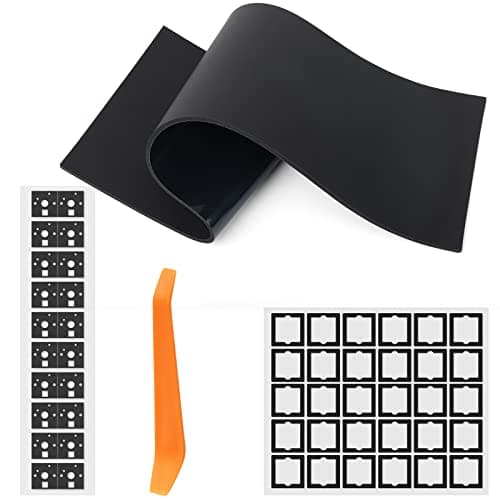
+ Three mods in one pack: bottom case foam, switch pads and modular PCB-to-plate foam
From our guide: Best Plate Foam (2026)
+ Remover tool and brush are included for easier installation
From our guide: Best Keycap O-Rings (2026)
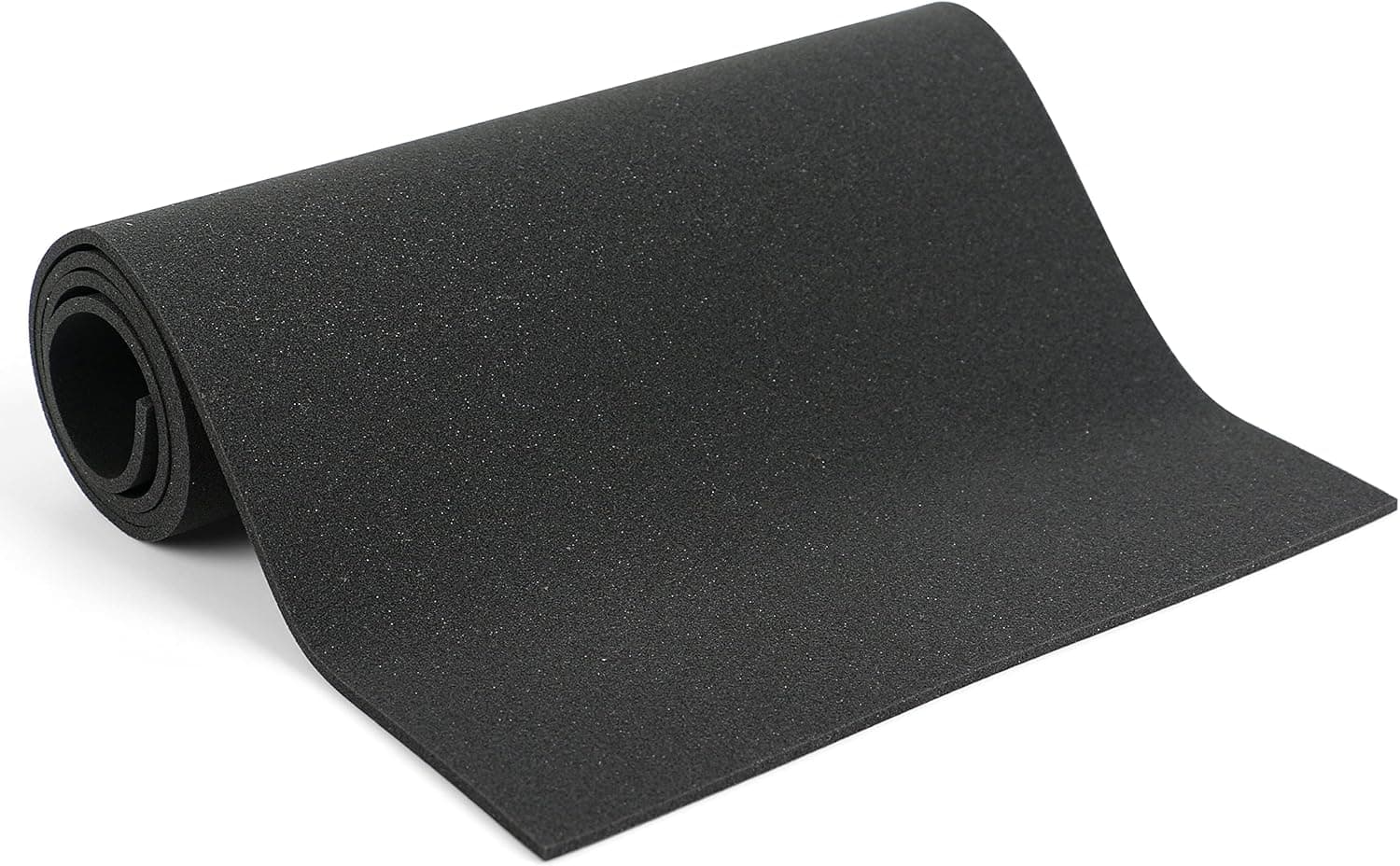
+ 3mm thickness balances dampening with fit in most typical cases
From our guide: Best Plate Foam (2026)
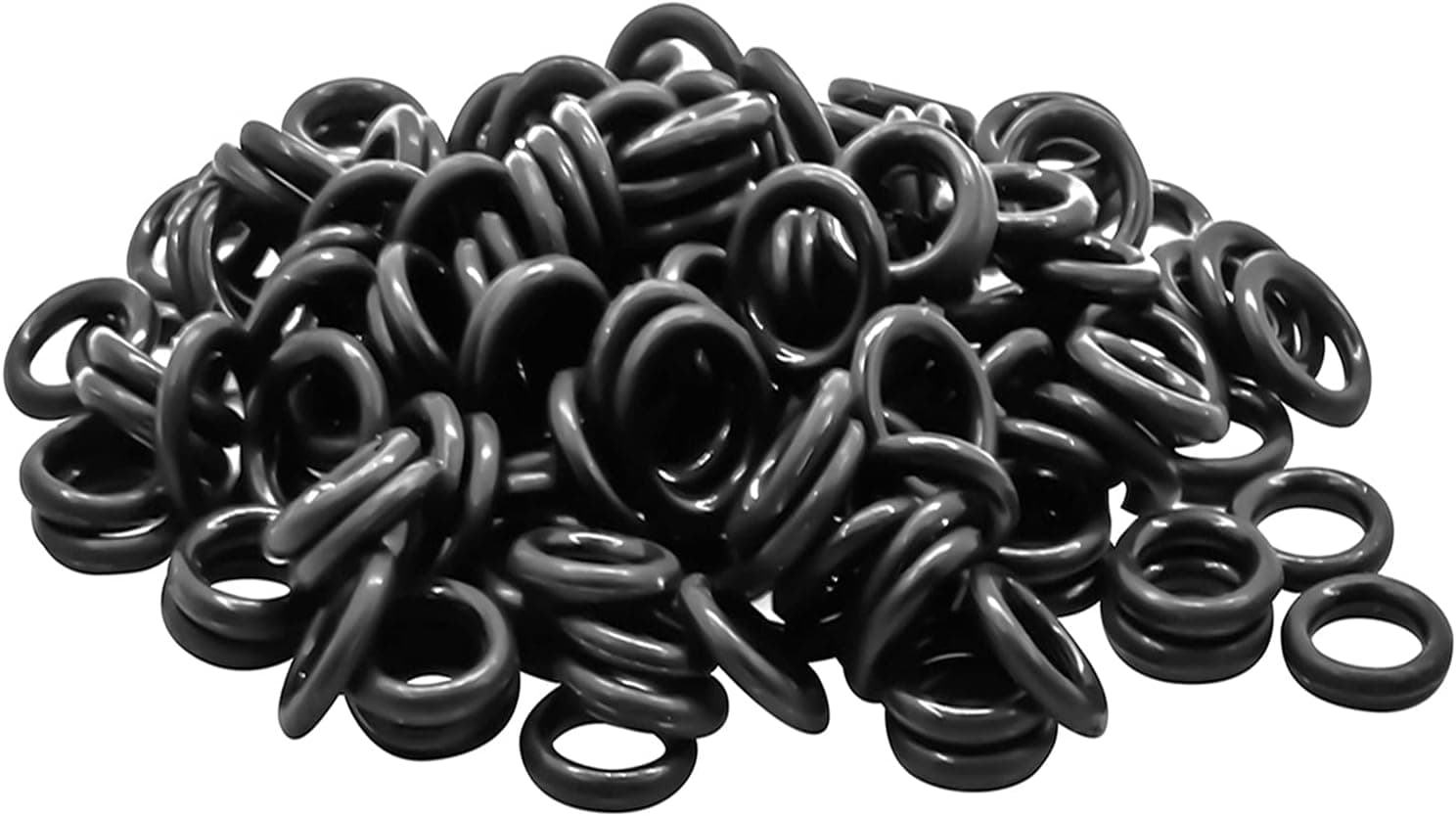
+ Black rings disappear under dark keycaps
From our guide: Best Keycap O-Rings (2026)

Tray mount: the traditional, inexpensive default
Tray mount is the traditional and most common method, especially on mass produced boards. The circuit board is screwed directly to posts in the bottom of the case, or tray. It is simple, reliable, and inexpensive, but because the assembly is bolted to hard points, the typing feel can be firm and slightly uneven, and the board may sound hollow if it is not otherwise treated.
Gasket mount: a suspended, cushioned feel
Gasket mount suspends the plate between strips of soft material, the gaskets, rather than screwing it to hard posts. This lets the whole typing surface flex slightly and evenly when you press, producing a softer, more cushioned feel that many enthusiasts prize. The soft mounting also tends to reduce harsh resonance and give a more uniform sound across the board.
Other mounting styles worth knowing
There are several other styles worth knowing by name. Top mount fixes the plate to the upper case half and gives a firmer but consistent feel, while plate mount and o-ring or gummy o-ring styles sit at various points between firm and soft. Each represents a different balance of firmness, flex, and manufacturing complexity.
Mounting style is not a simple ranking
Mounting style is not a simple ranking from worst to best. A well designed tray mount board with good foam can feel and sound great, and a poorly implemented gasket board can disappoint. Use mounting style as one signal among many, and pay attention to whether you prefer a firm, direct bottom out or a soft, cushioned one when deciding which style to seek out.
Frequently asked questions
What is gasket mount on a keyboard? A mounting style that suspends the plate between strips of soft gasket material rather than screwing it to hard posts, letting the typing surface flex slightly and evenly for a softer, more cushioned feel.
Is gasket mount better than tray mount? Not universally. A well-built tray mount board with good foam can feel and sound great, while a poorly implemented gasket board can disappoint. It is a matter of preferred feel, not a strict upgrade.
Why does my keyboard sound hollow? Tray mount boards, where the assembly bolts directly to hard case posts, can sound hollow if not otherwise treated with foam or dampening.
What is top mount on a keyboard? A style that fixes the plate to the upper case half, giving a firmer but consistent feel, positioned between tray mount and gasket mount in overall softness.
Popular right now
- What Is a Hot-Swap Keyboard and Why It MattersArticle
- Best Ortholinear Keyboards (2026)Buying guide
- North vs South Facing SwitchesArticle
- What Are QMK and VIA? Keyboard Firmware ExplainedArticle
- Linear vs Tactile vs ClickyArticle
- Mechanical Keyboard Switch ChartArticle
Based on the last 28 days of search and visitor data.